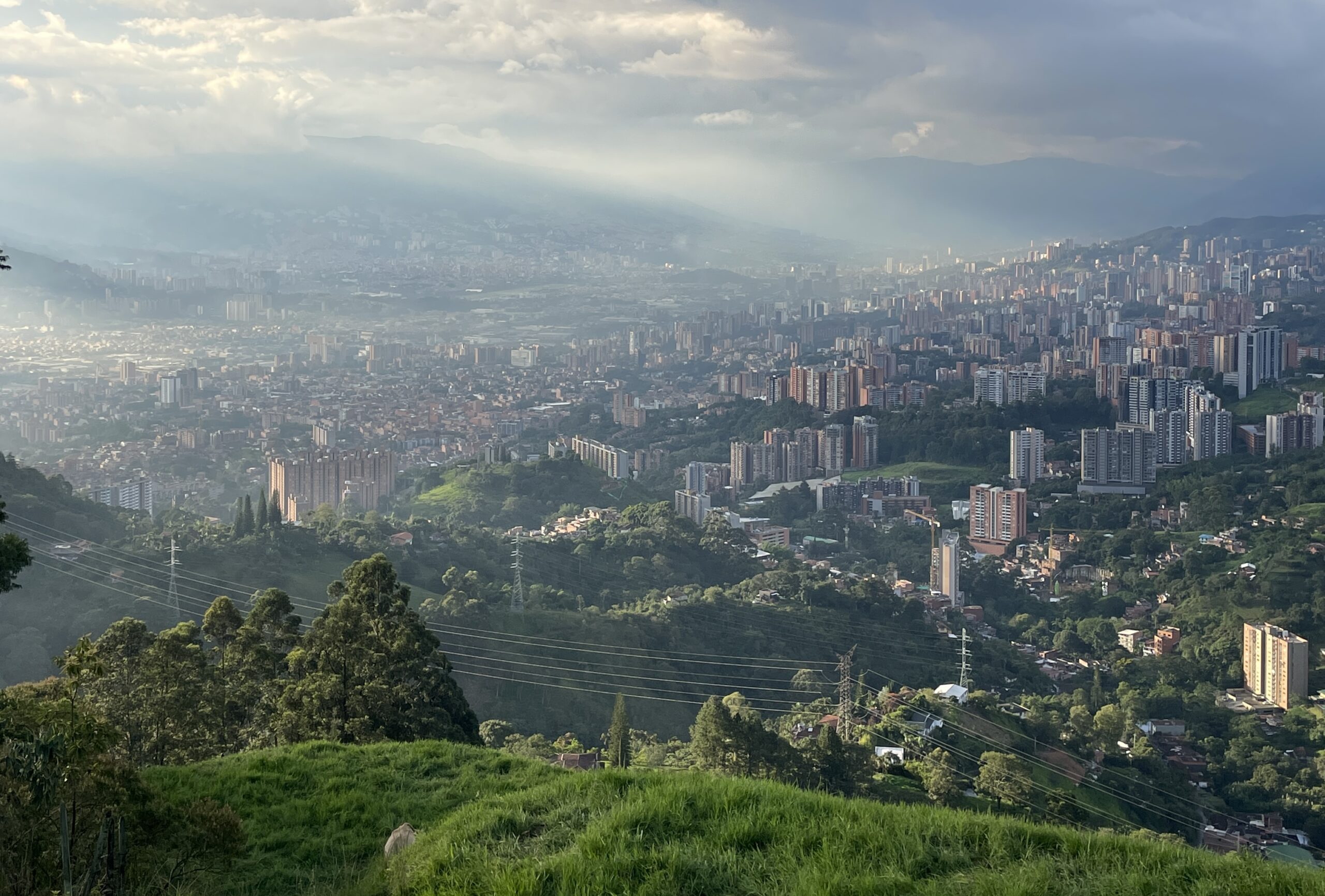
Medellín in recent years has become a hugely popular city destination in South America. It’s a digital nomad hotspot, a great backpacker location, and home to luxury city and countryside escapes.
Colombia in general has seen a massive rise in tourism over the last 10 years, with crime rates rapidly dropping across major cities, funding put into infrastructure and urban planning, while western currency still stretches a long way.
On top of this, Medellín has near-perfect weather year round, which means tourists don’t need to plan as much, or wait for the right time of year, as they would somewhere that experiences stronger season shifts.
If you’re thinking about visiting the city of eternal spring, I’ve put together a handy guide on how to plan your Medellín trip, and what to know before you go.
How to Plan Your Medellín Trip
What Kind of Trip Do You Want?
Before you do anything else, ask yourself what kind of trip you’re hoping to experience (and this goes for anywhere in the world!).
Do you want time in nature? Looking for a city break? Wanting to learn more about Colombian history and culture? Are you a big foodie? Hoping to relax in solitude, or want a group of friends around you?
If you’re not sure, ask yourself how you want to feel when coming to the end of the trip. This is always a good indicator of what you may be needing. Do you want to come home feeling relaxed and rejuvenated, or energised and motivated?
Luckily, Medellín accommodates all types of trips and there’s a never ending list of things to do and see. Unluckily, it may be hard to narrow down!
I’ve spent time in cabins in the nearby mountains as well as partied the night away in El Poblado and Laureles. I’ve learned so much about La Violencia in Comuna 13 and the Memory Museum, eaten my way through the various markets, street fairs and city center, had a blast experiencing the Colombian energy throughout Copa America football cup, and SO. MUCH. MORE.
There’s no shortage of activities in Medellín, whatever kind of trip you’re after.
One thing I love to do before a trip is make a Pinterest board and fill it with pins on where I want to visit, what I want to experience, travel tips, specific photo shots, new food or fruit I want to try. I am just a girl, after all.
Follow me at The Lilac Dispatch on Pinterest here!
How Do You Like to Travel?
Secondly, think about how you personally like to go abroad and visit other countries, as this will massively impact how you prepare.
Are you more of a backpacker and happy stuffing everything you own into a 50L backpack, jumping on buses and booking hostels on the day of arrival? Or, are you wanting and budgeting for a trip-of-a-lifetime, and like the stress-free experience of having everything waiting for you from the moment you touchdown on the runway?
Understanding your limits and flexibility level when travelling is so important. Make sure you’re planning a trip that YOU will enjoy and that fits into your idea of a great experience.
Don’t force yourself to hitchhike if you don’t like it. Don’t blow all your money on a luxury hotel in Medellín if you’re going to be outside most of the time. Don’t go to the viral steak restaurant if you don’t like steak. Picking up what I’m putting down?
How Much Time Do You Have?
Another massive consideration: how much time do you realistically have? Recognising what’s feasible in the time period you have will help in prioritising what you want to see, and give you the full picture on how much total time you have to enjoy.
Take into account travel times, any internal flights or travel that may break up a day, plus jet lag (depending on where you’re arriving from). This can all impact your total time to enjoy the city.
You may have a week in Medellín, but if you land at Medellín airport at 11pm, spend the following morning adjusting to the time difference, and fly home a week later at 6am, you may actually only have 5-6 full days to plan for.
This goes hand in hand with how you like to travel: many people love to squeeze every last minute out of their trip, jumping from excursion to excursion in a single day. Many like to book a couple of highlight activities and enjoy the free time around this to explore on their own.
Okay, now you’ve thought about and jotted down what you want to see and how you want to experience it. You should be feeling much clearer already, with the beginnings of your Medellín itinerary starting to take shape.
I did this before my huge backpacking trip, starting in Colombia: I knew I had 6 months total, I started in Medellín for 2 weeks, and my two backpacking experience “keywords,” if you will, were to get out into nature, and to socialise. I was extremely flexible within this, but I knew I’d have a great time if I stuck within those parameters.
And, it worked! It was life changing and I ended up moving here full time.
Stay Culturally & Politically Aware Before You Go
Now, if there’s one piece of advice I could give to someone travelling or planning to visit Colombia or South America, it’s to be up to speed on what’s going on politically, culturally and even geographically. One, because why would you visit a country you don’t have any interest in, but importantly for this trip, because you don’t want to find yourself in a tense situation.
Colombia has made improvements to the safety of their country at light-speed, but sadly it’s still not perfect. At the time of writing this, the new right-wing president has just been elected sparking tension across the country, a massive fatal earthquake has just hit the coffee region and surrounding Choco/Antioquia/Cauca areas, and Colombia/U.S. geopolitics seem to be extremely heightened.
Keep an eye open for these things, natural disasters aside, as this may impact your country’s travel security rating on these areas (which could impact your insurance policy), and also the local population sentiment at the time.
Don’t let this message deter you from visiting, but do the necessary research beforehand and go in with an open mind, a good current understanding, and empathy.
I know friends that were stuck in La Paz, Bolivia, because of protesters who made a road blockade in and out of the city, and I myself was on the Caribbean coast at the time where the paramilitary were operating, with tanks and huge army trucks in some of the roads.
We were both fine, but this could have been easily avoided by knowing about the state of current affairs.
Medellín Weather & What to Wear
Okay, and now on to Medellín specifics.
Climate in Medellín
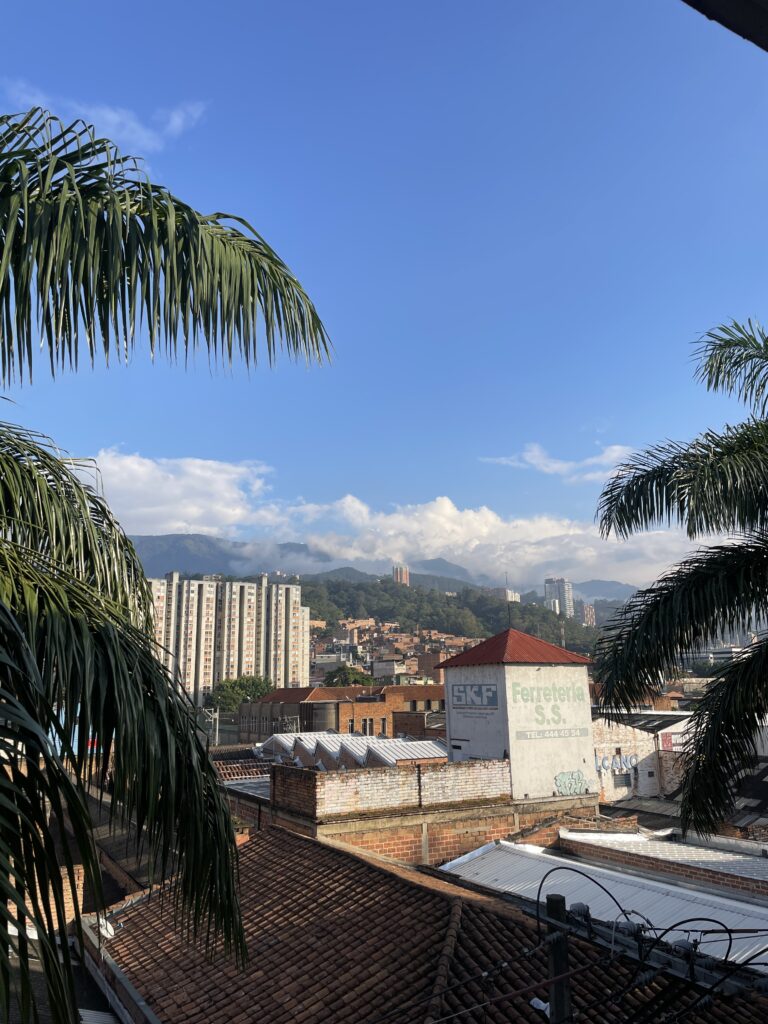
One of the most basic but key planning steps for a holiday is to look up the climate in the month or week that you’ll be visiting. Now, Medellín fortunately has great weather most of the year and is almost always guaranteed a spring-like temperature, but it does experience heavy rain. It is technically in the tropics, after all.
However, Medellín sits at almost 1500m in altitude. The altitude in Medellín means it doesn’t get the unbearably hot and humid climate like the Pacific or Caribbean coast, but it sits at a pleasant range of about 22-28°C on average.
The two rainiest seasons in Medellín are usually from April-May, and September-November, though it can rain at any time of the year. And when it rains, it pours.
What to Wear in Medellín
It’s always encouraged to bring a light rain jacket when visiting Medellín due to the unpredictability. Something packable, breathable and lightweight like a windbreaker is perfect. No need for heavy coats.
Because of the rain, Medellín can get hot and humid. There’s a well-known Colombian understanding that men, specifically, seen wearing shorts outside is an obvious gringo giveaway, and after spending a year there, I can agree it’s true. However, don’t punish yourself just to fit in with the locals. You’ll likely still stick out, and will be extremely uncomfortable in the process! Wear the shorts if you want.
From my experience, light, breathable layers are best. Natural fabrics will keep you cooler.
Long layers will also help any pesky mosquitos if you’re prone to being eaten alive like I am. You’ll need these if you venture out of the city into surrounding countryside or smaller towns.
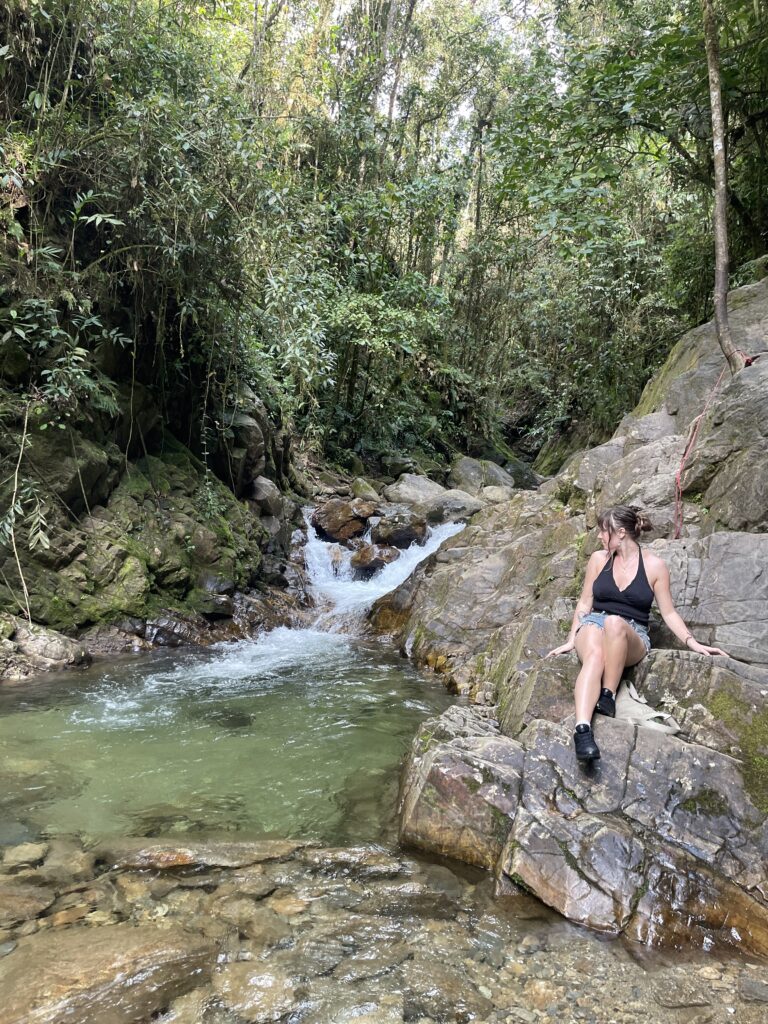
Packing a swimsuit sounds counterintuitive for a city destination, but Medellín is situated in the Aburrá Valley and is surrounded by incredible rivers and waterfalls. These make for insane hikes and natural swimming spots, and it’d be a shame to miss out on a dip just because you didn’t pack a bikini.
I’ve covered one of my favourite waterfall hikes, one of the best day trips from Medellín, Colombia, in my dedicated Day Trips from Medellin post.
What Not to Pack
I’m sure if you’ve already done even 1% of research on visiting Colombia, you’ve heard of the term “no dar papaya,” or “don’t give people a reason to take advantage of you.” It’s a general safety saying and applies to everywhere in the country, but especially in larger cities like Medellín, Bogotá or Cali where opportunistic crime is unfortunately higher.
For this reason, I’d advise not to go out flashing gold bangle stacks, real gold necklaces or earrings, or any expensive watches. I’d even go as far as saying using fakes isn’t worth it, as they still draw attention, and maybe to the wrong people.
If you absolutely have to take your jewellery and designer bag collection with you, make sure to take precautions such as taking private taxis at night like Uber, not wandering off into areas you’re not familiar with, and perhaps leaving anything sentimental at home. Just in case, you know?
Money in Medellín
As anyone that has already been to the South American continent will know, outside of Brazil, it’s still a very cash heavy part of the world.
In Medellín, card is accepted in most establishments like supermarkets, clothing stores, pharmacies, and bars and restaurants. However, some places like bakeries, “menu del día” style restaurants, markets, metro offices, and on the city buses, you’ll need cash. I think people generally prefer to receive cash anyway.
One tip for any location you’re visiting around the world and using your debit/credit card: always always always DECLINE the conversion rate suggested by the vendor. You will always receive a worse rate, on top of your bank’s existing conversion rate, than paying in your home currency.
I use Revolut and pay for the metal plan, which gives me free international payments and withdrawals. This has been a godsend for living abroad with a UK bank account and worth every penny! Monzo also has the benefit of charge-free international payments, too.
I’d recommend withdrawing a small amount of cash in your home country before arriving in Medellín, as the ATMs here are evil thieves (just joking, kind of.) You’ll be happy to have this if paying for any public transport once leaving the airport.
Now, as for withdrawing money in Colombia, the bank I found with the lowest surcharge for withdrawals was Davivienda. Banco de Bogotá was also ok-ish when Davivienda wasn’t an option.
They charged me about $30,000 COP per transaction, which is about £6/$8 USD.
For this reason, I only took out cash when I was really low and would take out enough to last me a while.
All ATMs in Colombia will charge you for withdrawal on a foreign card, so it’s even more important that your bank back home doesn’t, so you’re not paying twice!
Once you have your cash, be careful to keep it in good condition. Many merchants will understandably not accept old, broken or extremely faded/damaged cash. Don’t go stuffing it in your pockets.
Getting Around Medellín
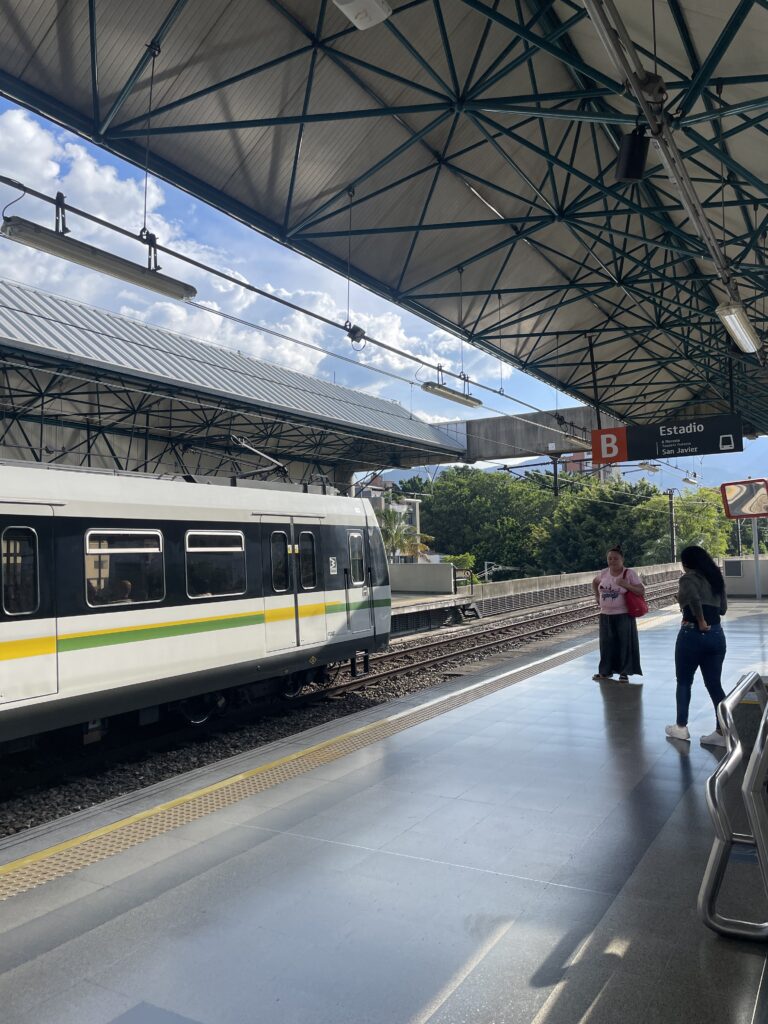
Medellín’s metro is one of the city’s proudest achievements. It’s simple to use, intuitive, clearly signposted, and spotlessly clean, and Paisas are notably respectful when using it. I created a whole guide on How To Use The Medellín Metro, which goes into more depth on destinations, ticketing and pricing in 2026.
I learned the hard way that eating or drinking on board isn’t allowed: security at the stations will stop you if you’re holding an open cup, and even a sip from a water bottle should probably wait until you’re off the platform.
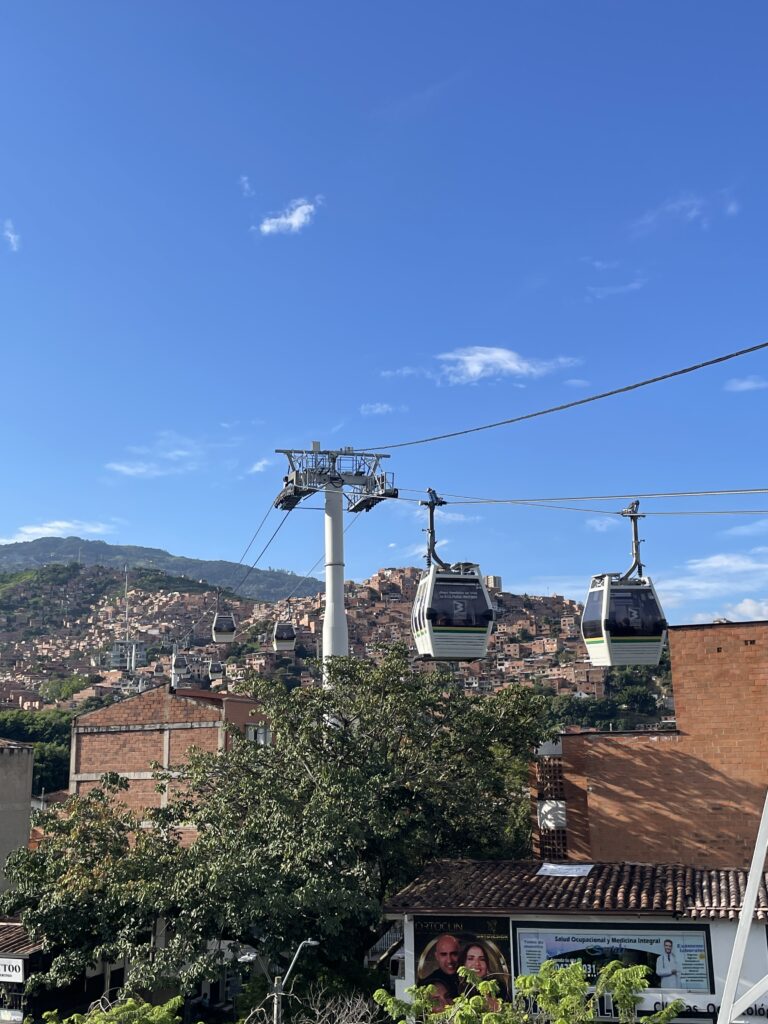
Medellín also has a network of cable cars connecting the mountain barrios to the city centre, a genuinely crucial part of the city’s urban development and one of the best ways to experience it. You’ll need to take one of these if you’re heading to Parque Arví or La Sierra for a coffee tour. They work much the same as the metro: queue for a ticket, tap in, and ride.
There’s also a tram running through the city centre. I took this to get to the Memory Museum, which I’d highly recommend if you want to understand the history and tragedy of Colombia’s civil conflict over the last few decades.
For quick day-to-day transport, or getting around at night, I’d recommend ride apps like Uber, InDrive, or DiDi. Uber operates in a legal grey area in Colombia: technically against the rules but still widely used, so it’s common practice to sit in the front seat next to the driver so it doesn’t look overly obvious that you’re a paying passenger.
If you’re unsure what to use, new to public transport, or simply more comfortable erring on the side of caution, Uber is the easiest default. That said, in all my time using public transport in Colombia, it’s been nothing but safe and enjoyable.
Staying Connected: SIM Cards & Mobile Data
I love the adventure of picking up a physical SIM card in South America, and it’s affordable: around £7/$10 for a full month of data, including the card. Claro is the most popular network and covers the country well, but Movistar and Tigo are solid options too.
If you’d rather have data sorted before you even land, an eSIM from Holafly or Airalo is the easier option.
I personally use an eSIM through points on my Revolut account, so I can’t vouch for those two specifically, but any reputable eSIM should give you the same peace of mind: connectivity from the moment you land, without having to explain what you need to a phone shop worker in a different language.
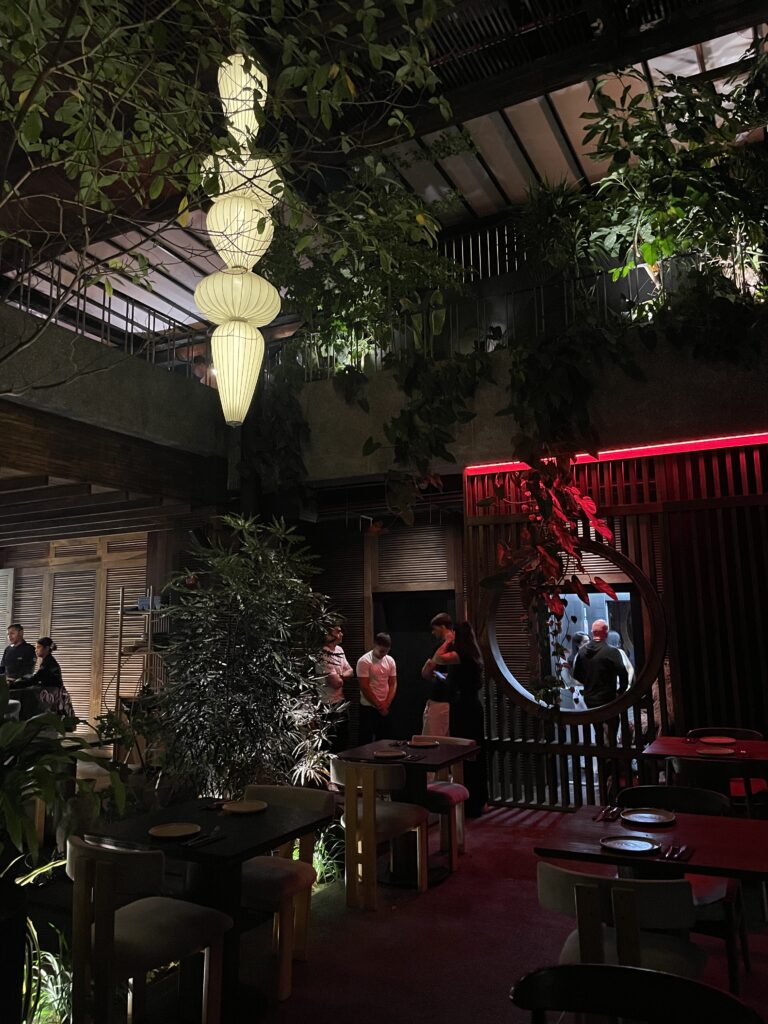
Accommodation in Medellín
Moving over to accommodation, possibly the most important and largest chunk of your trip’s budget.
Where to stay? Which area is best for tourists? Is this area dangerous?
These were all my thoughts before visiting, too.
Now, I can’t decide exactly where you should stay, but I can give a brief overview of the different neighbourhoods and popular locations for tourists and travellers alike.
The TLDR: El Poblado and Laureles consistently see the highest volume of tourists and selection of hotels and hostels.
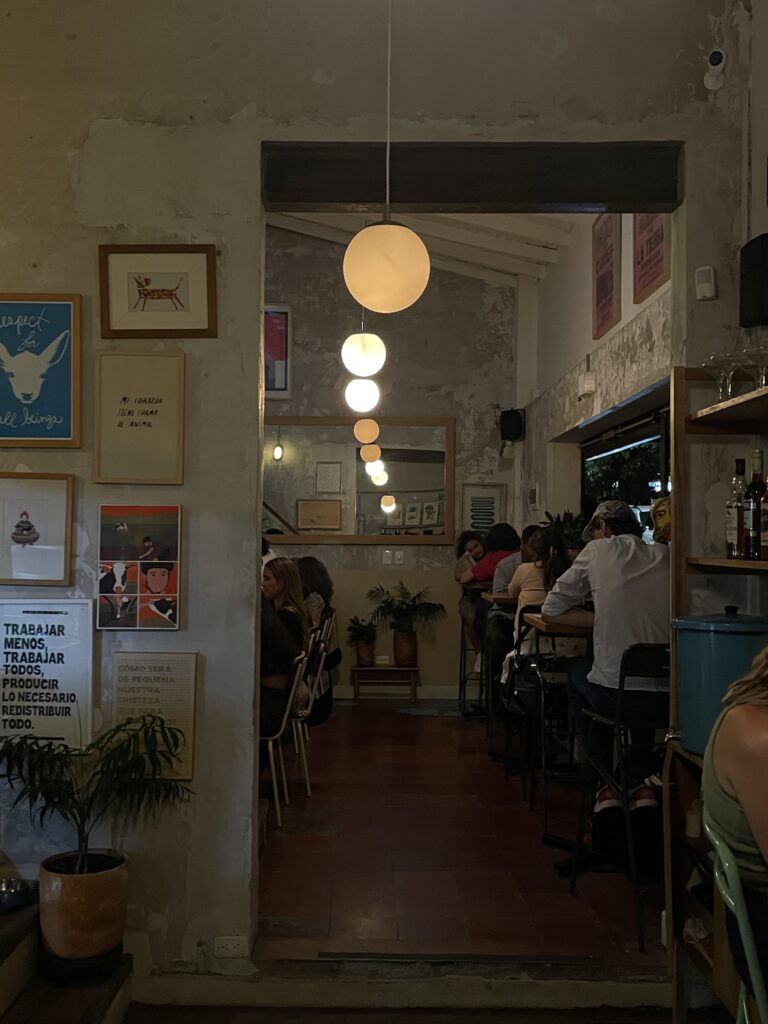
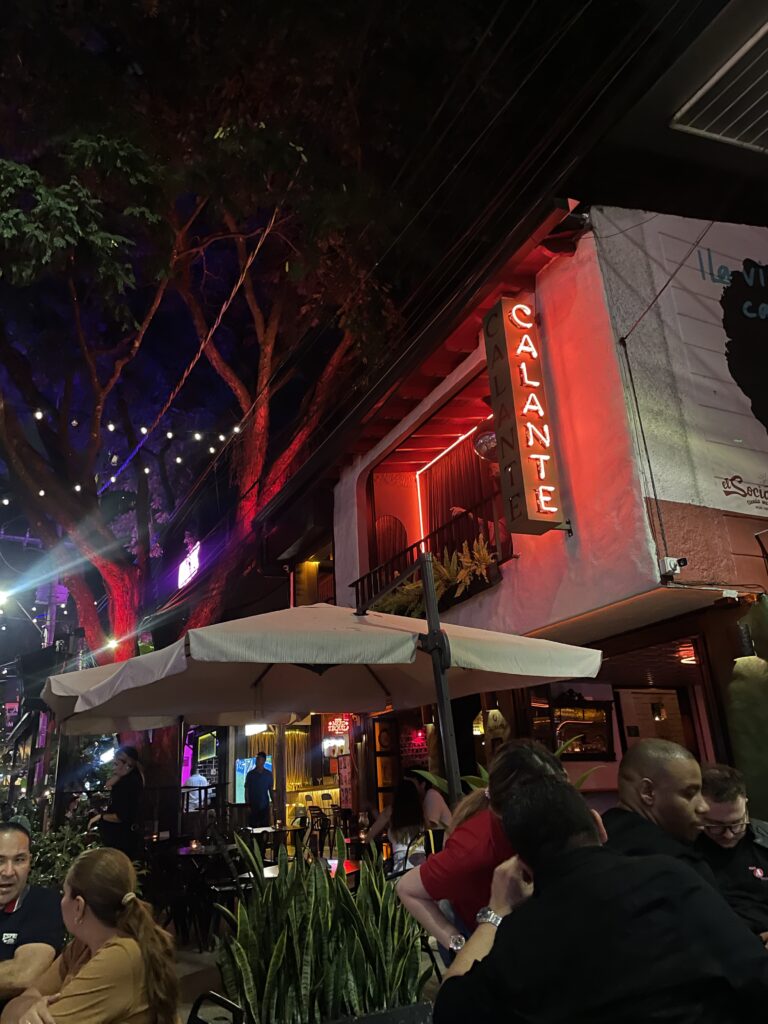
El Poblado
El Poblado is the “boujie” part of Medellín, with modern high-rises, clubs, bars, restaurants, luxury hotels and backpacker hostels alike. It’s essentially the tourist hub of the city due to its safety and proximity to, well, everything.
If I was to stay in Poblado again, I would either stay in a hostel because I love the social aspect of it, but on a higher budget, this is where you’ll find some of the best 5-star hotels in Medellín and other luxury hotels in Medellín, Colombia- complete with rooftop pools, restaurants, and stylish modern amenities.
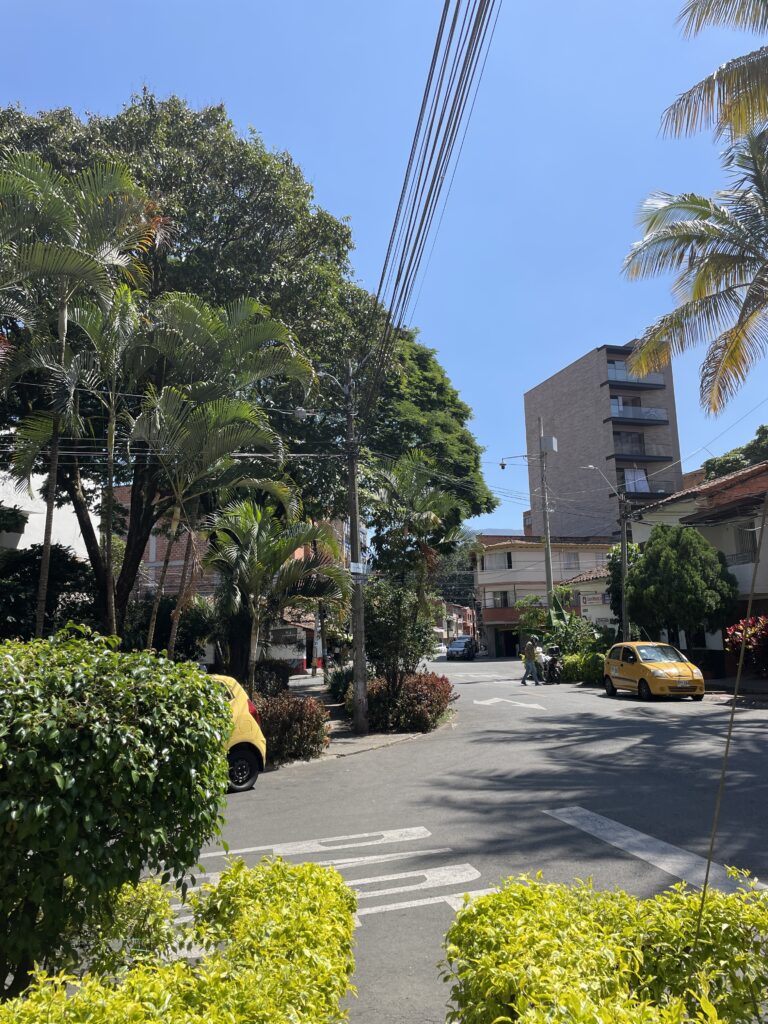
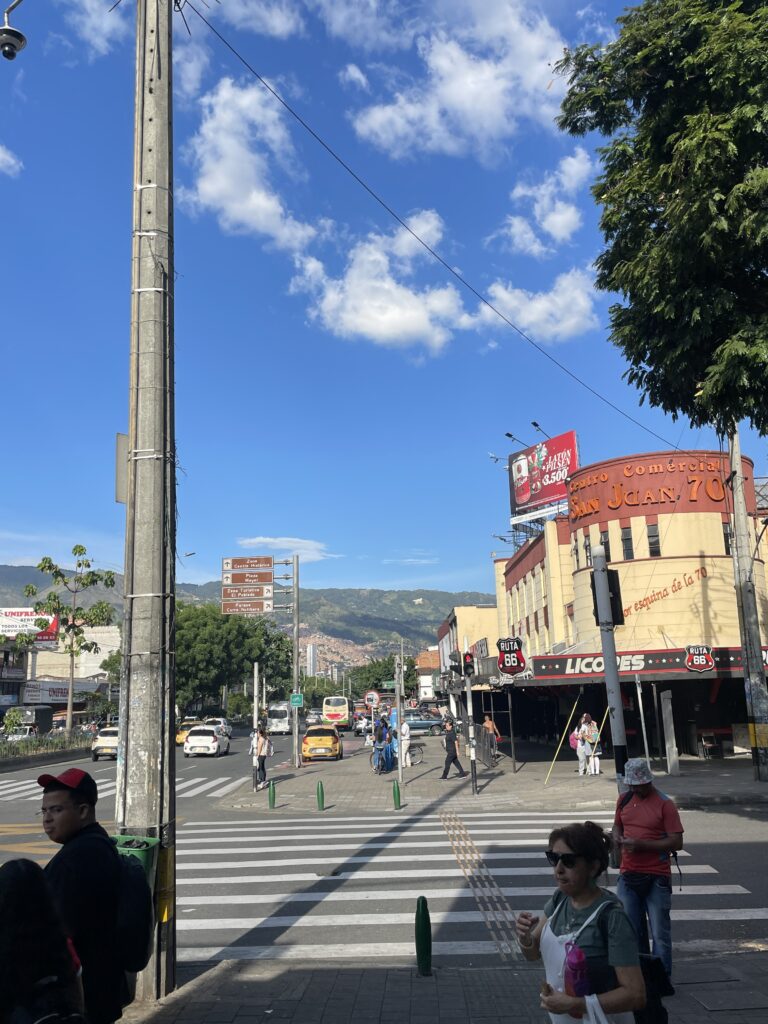
Laureles
Laureles is the barrio you want to situate yourself in if you’re looking for a slightly more chilled out, homely and authentic feel of Medellín. There’s still plenty of tourists, especially visible from Carrera 70, but you may need to walk around and explore a little more to find restaurants, bars and cute shops. Nevertheless, they are there, and it may offer a more peaceful experience than El Poblado. There’s some great hotels and boutique homestays in this part of the city, as well as a whole plethora of Airbnbs.
If you’re backpacking, I’ve pulled together a list of The Best Hostels in Medellín, ranging from £8-£20 a night.
If you’re worried about safety, my tip is always to look on Google Maps and find a hotel in the filled-in yellow section of the map. That way you know there’s high footfall in that area, likely due to many restaurants, shops, nightlife, etc. Being around people will always be safer than staying on a deserted street.
I’ve created a full neighbourhood guide to the popular Medellín barrios, so keep an eye out for that to help you decide where might best suit you.
Final Thoughts
So after all that, I hope you’re feeling much clearer on what you want, what kind of traveller you are, how you want this trip to feel, what you want to see and prioritise, and where you want to stay in Medellín, as well as having all the most important tips and tricks for a successful Medellín trip.
Be sure to explore other parts of my blog for advice on other popular travel destinations in and around Medellín, such as Guatapé.
Happy travelling!
Leave a Reply