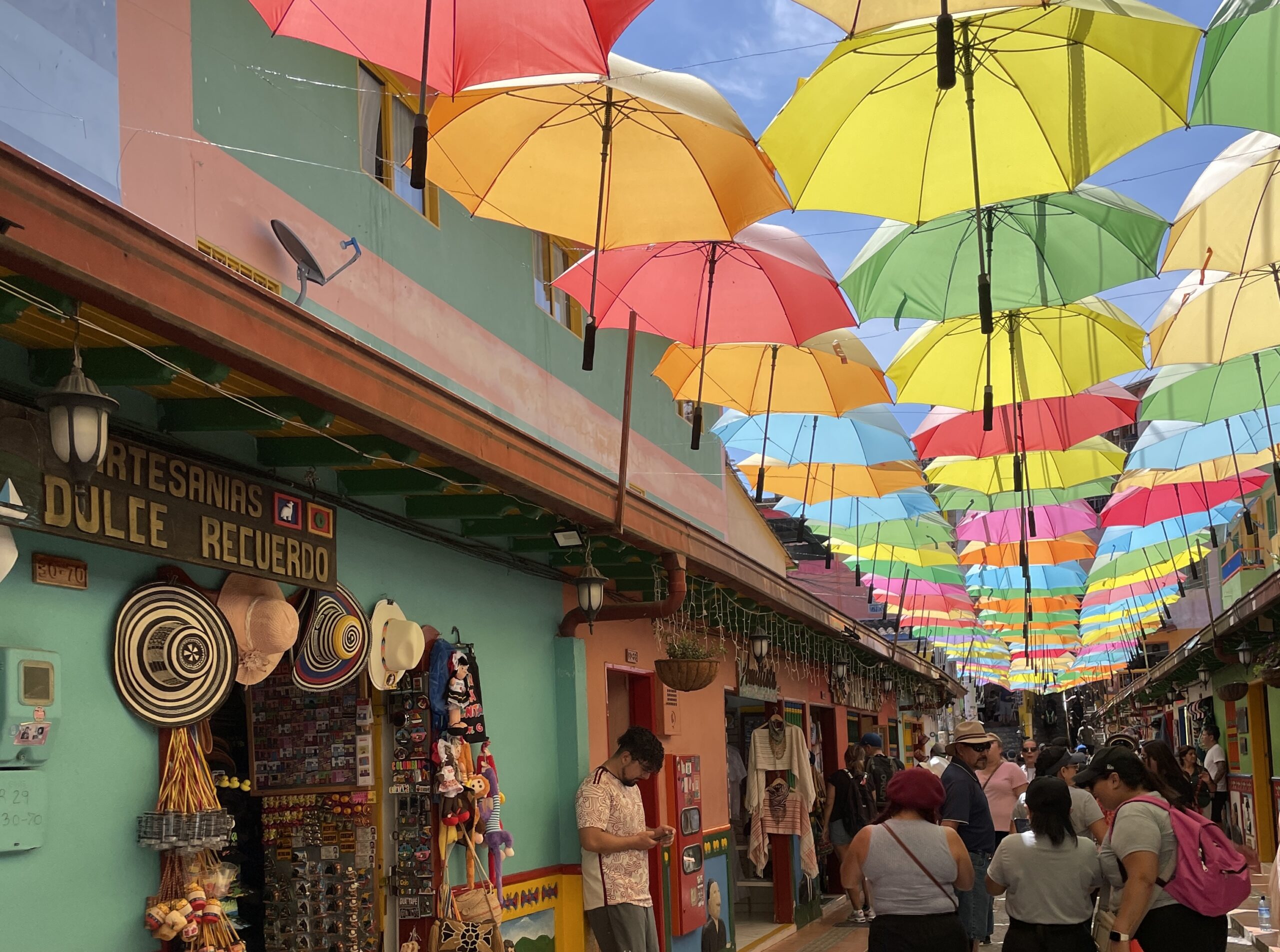
Medellín and the surrounding Antioquia department are chock full of places to see: towns, waterfalls, tours, nature, cities, you name it. The hardest part is deciding which activities to fit into your trip, because you could spend six months in the city and still not see a fraction of it.
I’ve put together a list of my favourite Medellín day trips, tours and activities to help you decide, as someone who backpacked the area for six months and then lived there full-time for six more. Everything below is based on trips I did myself over that year in Antioquia, not a list stitched together from other travel sites.
Please note: I’m deliberately leaving out any tours or references to you-know-who, out of respect for the Colombian people. I strongly advise against that kind of tourism and feeding any more money or attention into it, as it overshadows so many other amazing parts of Colombian culture, and locals are tired of the stereotype. If you’re after that information, you’ll need to look elsewhere.
Medellín Day Trips at a Glance
- Urban Coffee tour in Barrio La Sierra: a community-run coffee farm above the city, reached by cable car
- Guatapé: colourful streets and the climb up El Peñol rock, Medellin’s most popular day trip
- El Retiro: a laid-back self-guided trip to a classic Antioquian pueblo
- Comuna 13: the city’s most iconic (and most debated) tour, covering street art, music and history
- Santa Elena flower farm tour: the story behind Colombia’s flower industry, best around August
- Charco del Amor, Cocorná: a self-guided hidden waterfall, one of the least-visited spots on this list
- Medellín city centre walking tour: the best low-cost introduction to the city’s history
How to Choose the Right Medellín Day Trip for You
With so many Medellín day trips on offer, it helps to think about what kind of experience you’re actually after before you book anything.
Want culture and history? Comuna 13 and the city centre walking tour will teach you the most about how Medellín became the city it is today.
Want colour and classic postcard shots? Guatapé is the one everyone talks about, and for good reason.
Want to slow down and avoid the crowds? El Retiro and Charco del Amor in Cocorná are both quiet, low-key alternatives to the bigger tourist trail.
Want something hands-on? The coffee tour and flower farm tour both get you working alongside local families rather than just observing.
Best of all, you don’t need to choose just one. Most of these are easy to combine into a longer stay in Medellín, and several can be done back-to-back if you’re short on time.
Best Time of Year for Medellín Day Trips
Medellín is known as the “City of Eternal Spring,” so the weather doesn’t swing wildly by season the way it does elsewhere, but a couple of things are worth planning around:
- Dry season (roughly December to March, and again in July and August) is the best window for hikes, the climb up El Peñol, and the trek to Charco del Amor, since the trails are far less muddy.
- Feria de las Flores (Medellín’s Flower Festival) runs for ten days at the very end of July into early August each year. If your trip lines up with it, prioritise the Santa Elena flower farm tour, as this is when the silletero (parade) families are busy assembling the flower displays the festival is famous for. Hotel prices do increase during this period, so book well ahead if you want to be in the city for it.
1. Urban Coffee Tour in Barrio La Sierra
This was one of the first group tours I took in Colombia when I arrived, and it’s still the most memorable one to me.
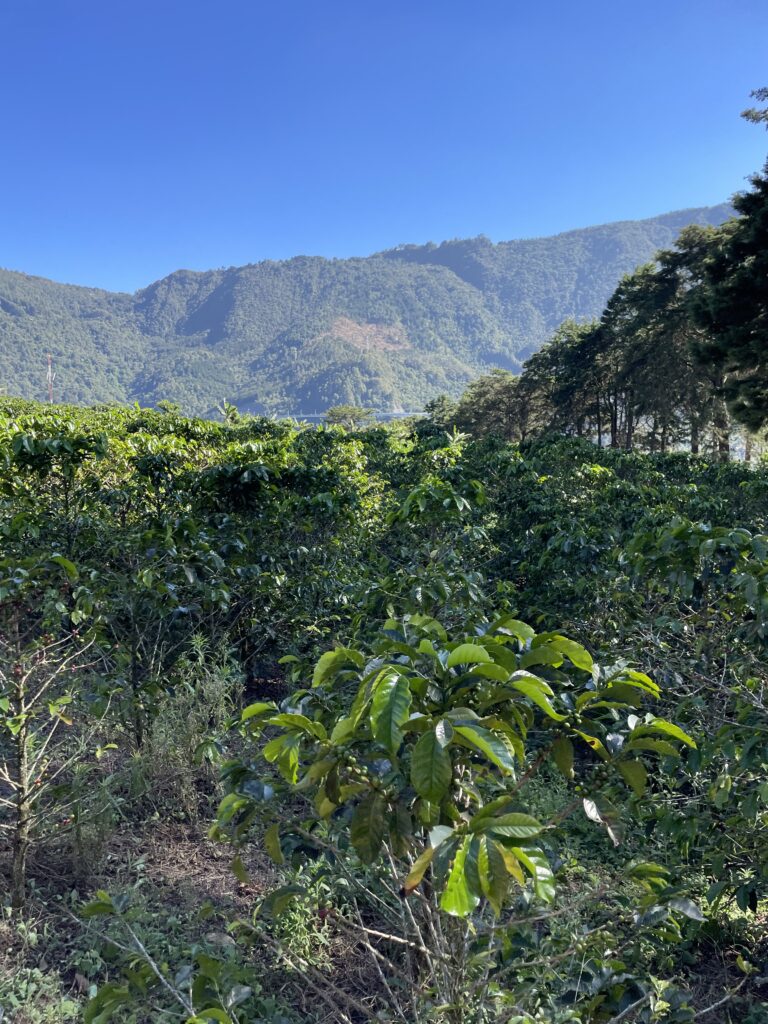
I opted for a Medellín coffee tour rather than heading to Salento, despite Salento being Colombia’s more famous coffee region, after hearing about a barrio (neighbourhood) way up in the Antioquia mountains overlooking the city. It’s home to a coffee farm that gives back to the local community, both financially and through education and support for the barrio’s children.
What an amazing choice it turned out to be.
Getting There and What’s Included
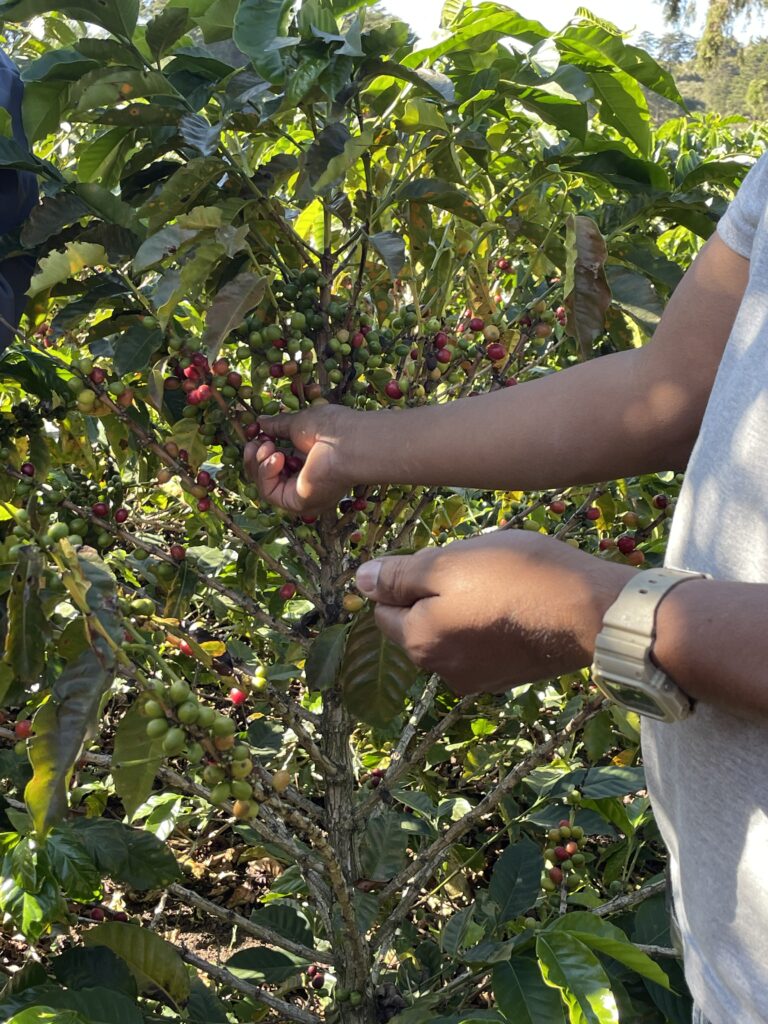
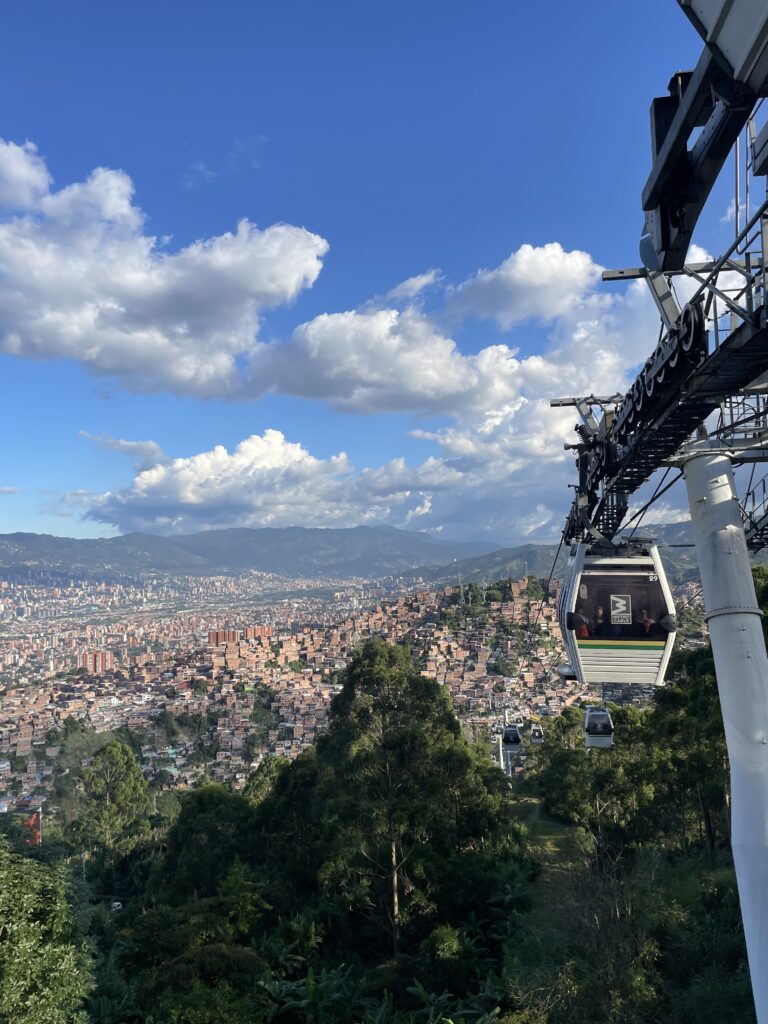
The cable car ride up is included in the tour. You start from San Antonio metro station and travel all the way up, to the point where your ears pop, to the barrio. There, you meet Rosa, the farm owner, and she and her husband walk you through the entire bean-to-cup process: growing, harvesting, processing and drinking coffee. You even get to spend time in the field picking your own coffee cherries.
Snacks and water are provided, the guides are absolutely excellent, and you leave with a real understanding of how this farm directly supports the people living in the area, both through selling their beans and through tours like this one. I highly, highly recommend it.
You can book directly with them through their whatsapp, which you can find on their website here https://urbancoffeetour.com/.
2. Guatapé Day Trip From Medellín
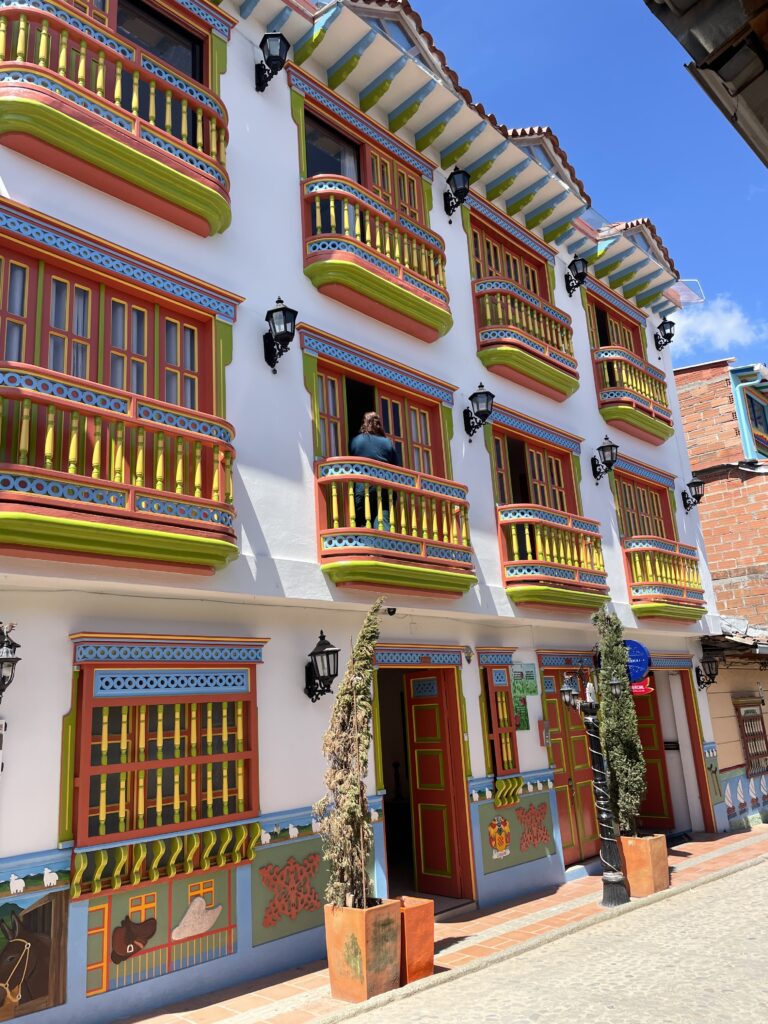
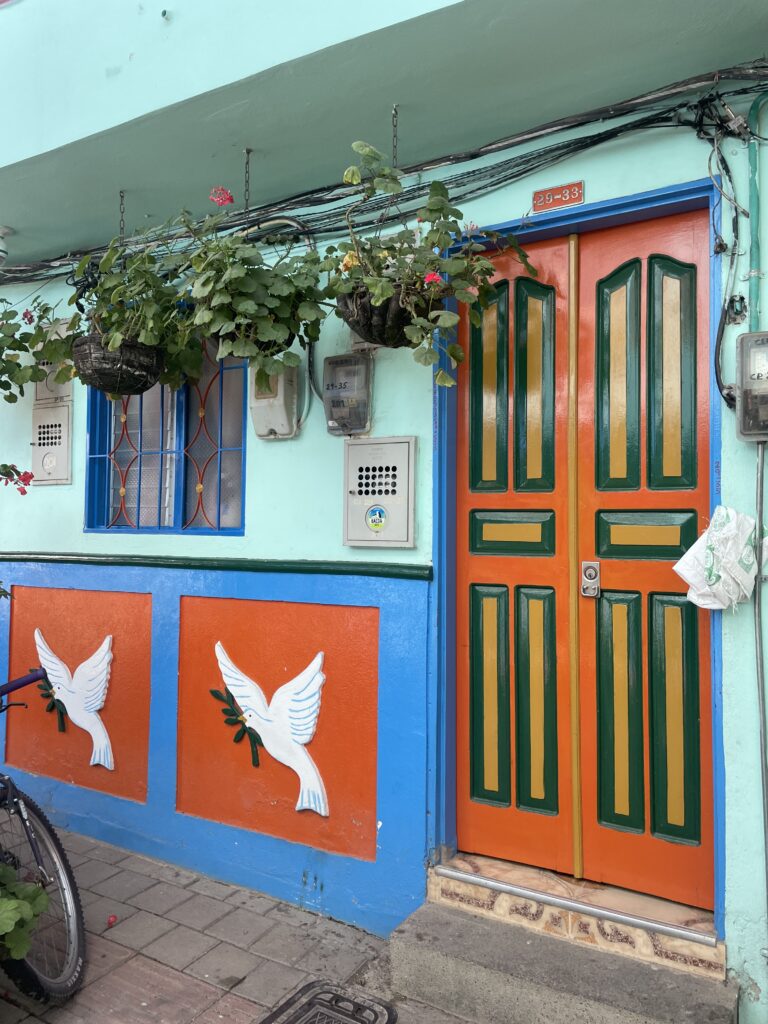
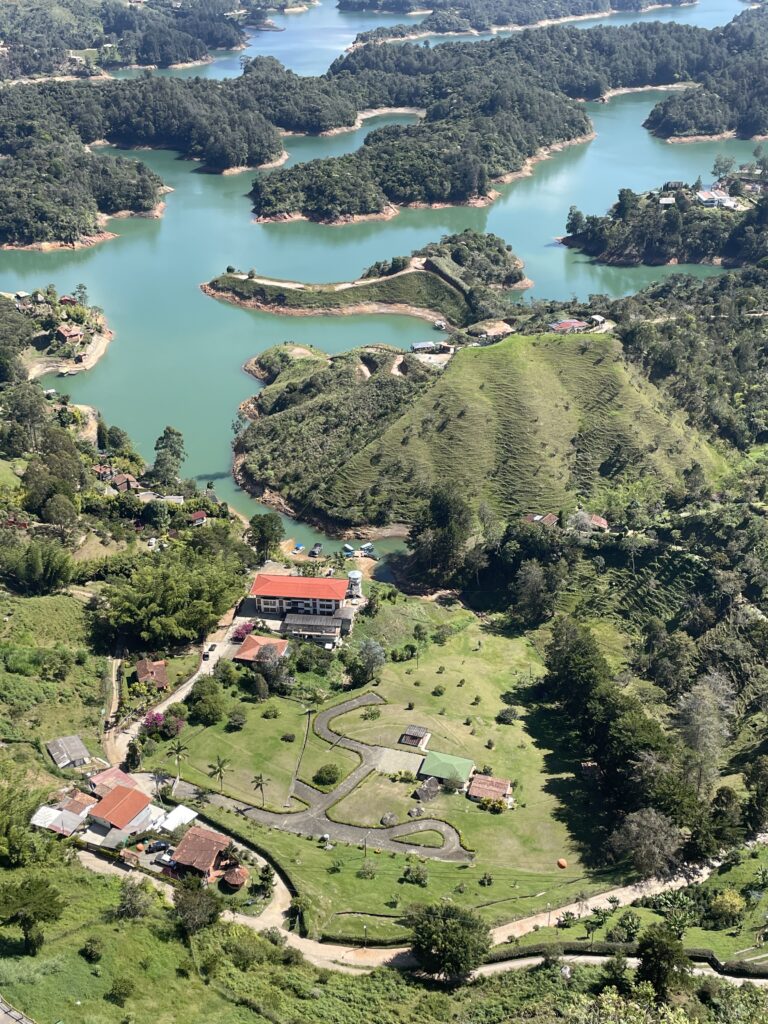
Guatapé is one of Medellín’s most popular day trips, thanks to the colourful murals and decorated houses lining its streets. The town sits beside a huge artificial lake, which is best admired atop of El Peñol, the giant rock that takes around 15-30 minutes (and a fair bit of lung capacity) to climb.
I heard you can also rent jet skis on the lake! I never got round to it, but if that’s your thing, it’s an option worth looking into.
It was fascinating learning about the town’s history: how the original Guatapé was flooded to create the reservoir and rebuilt slightly further down, and why the houses are decorated the way they are, since these painted baseboards (zócalos) are such a hallmark of Antioquian tradition.
What to Expect
Because this is one of the most popular day trips from Medellin, you’ll feel it as soon as you arrive. It’s busy even in the mornings, and depending on the kind of traveller you are, that can occasionally take away from the experience. Expect queues, a short wait for a good photo, and plenty of vendors along the main strip.
That said, I’m glad I went, and I do think Guatapé deserves a spot on every visitor’s list to say that you’ve been, and get some great photos.
Getting to Guatapé
Buses to Guatapé leave from Medellín’s Terminal del Norte (North Terminal), which you can reach easily by metro (Line A to Caribe station) or by uber. The ride takes around two hours each way, so it’s a full but very doable day trip, or a great option for one night away if you’d rather not rush it.
That being said, the vast majority of Guatapé day tours will have transport included and possibly pick you up from right outside your hotel, depending on where you’re staying.
3. El Retiro, Colombia: A Self-Guided Day Trip Near Medellin
I’ve already covered El Retiro in a previous article on lesser-visited places in Colombia (linking here), but it’s worth highlighting again, because it’s so easy to reach and so worth the visit.
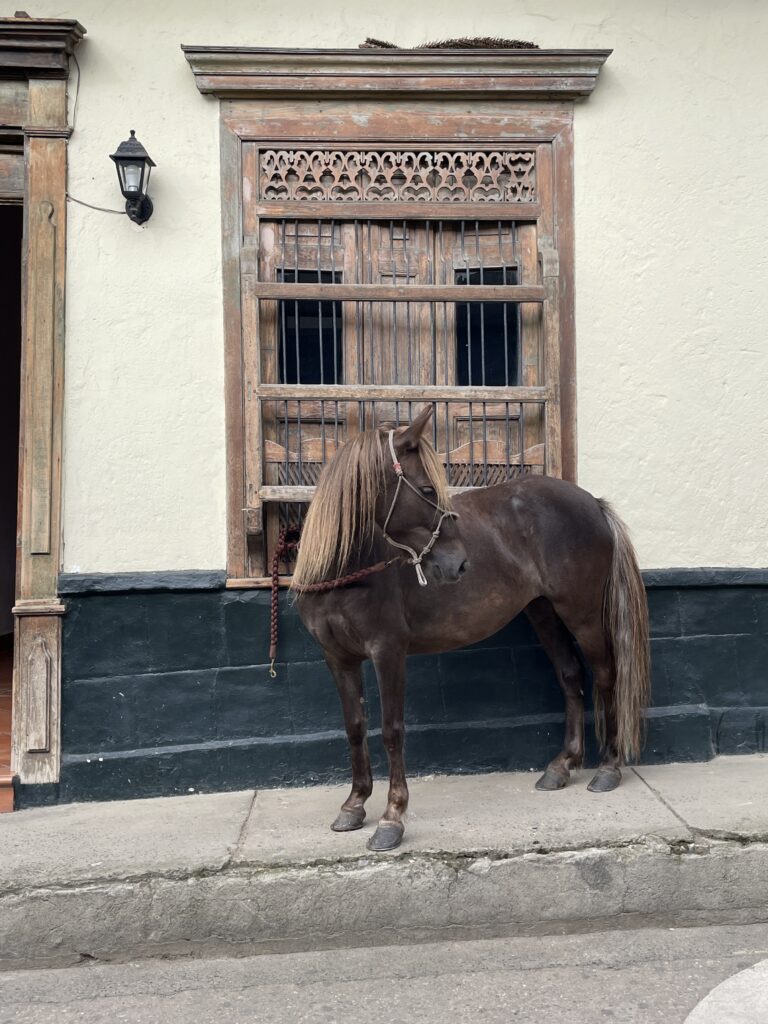
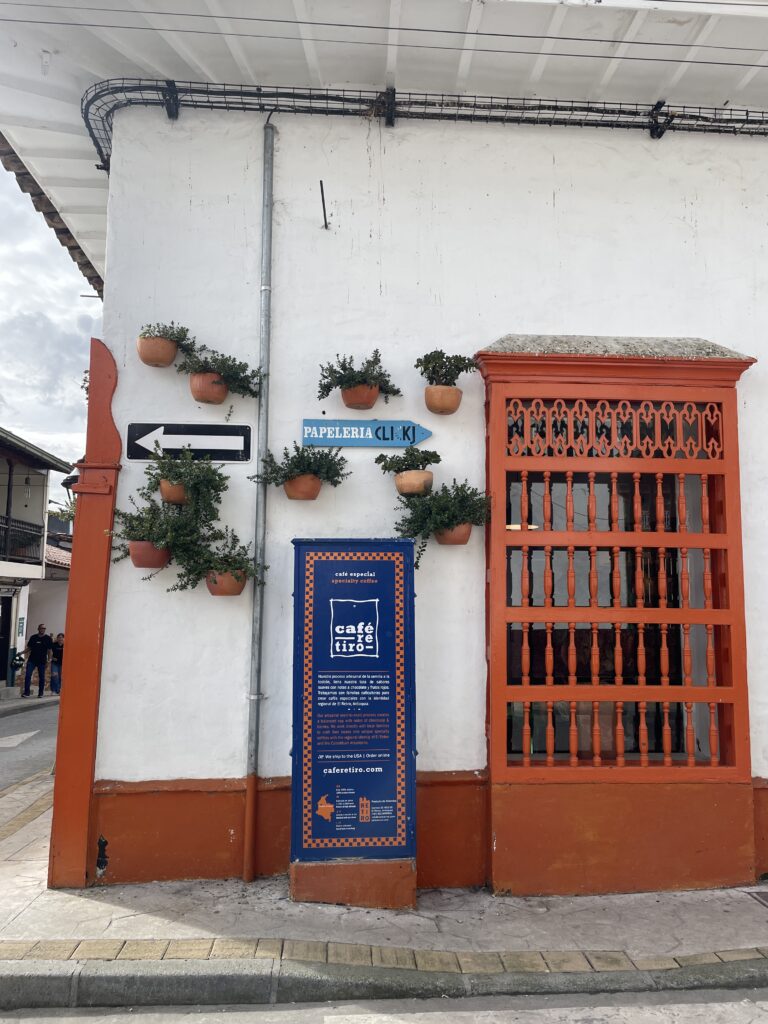
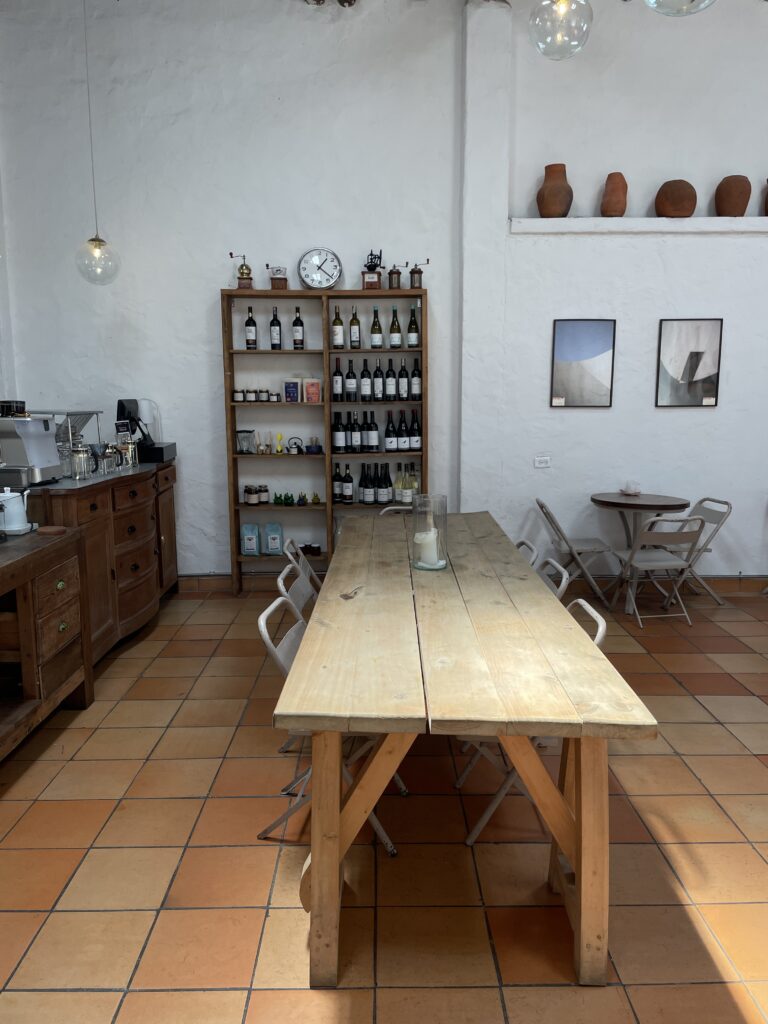
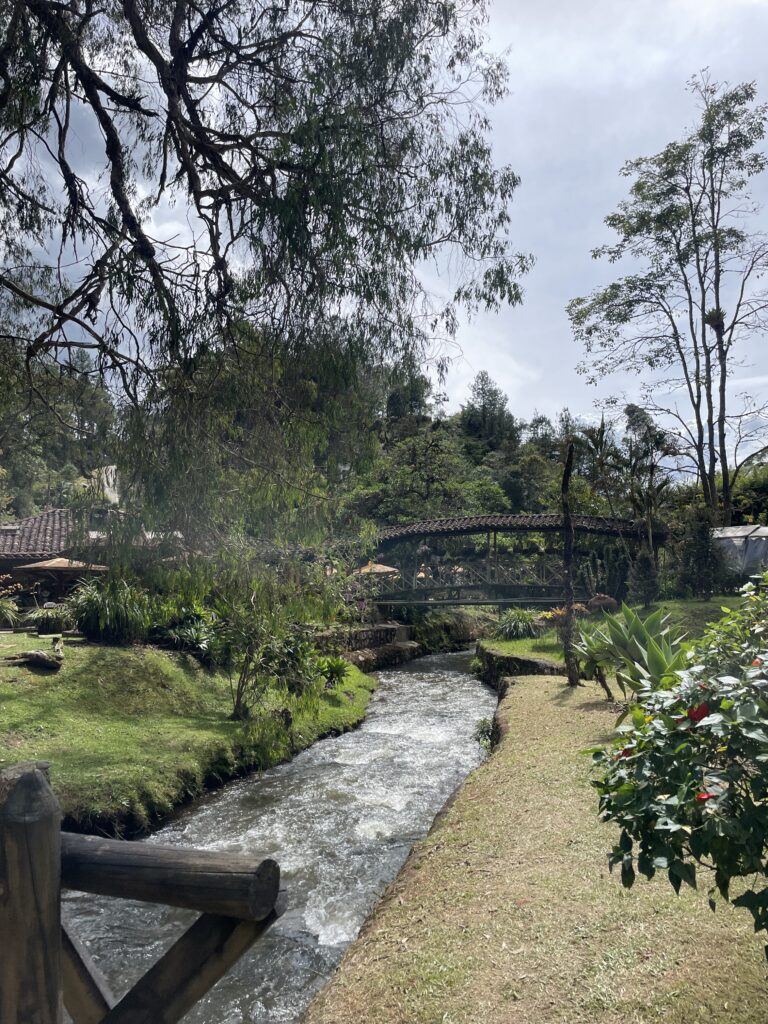
Think cute design shops, cafés with, of course, amazing coffee, cowboys arriving on horseback and tying up outside old Colombian buildings, and a mix of great local restaurants alongside more upscale options. It has the classic Colombian plaza at its centre. I’ve visited El Retiro about three times now, and each time there was something new going on, be it a Sunday market, a bike race, or a film crew shooting something for a series or documentary (I never quite got the full story when I asked).
Either way, enjoy the mountains surrounding the town, find a good people-watching spot, and just enjoy the pace of it.
Getting to El Retiro
I’ve only ever visited El Retiro as a day trip, since it’s just a short 1–2 hour public bus ride from Medellín and very easy to do self-guided. Buses run from Medellín’s bus terminals, it’s worth confirming which one (Norte or Sur) when you buy your ticket, as this can vary by operator. The route itself is scenic, so even the journey is worth it.
Should You Stay Overnight?
If you have the time, I’d recommend spending one night in El Retiro at a local hotel or homestay. It lets you relax and enjoy the town properly without watching the clock for the last bus back to the city.
4. Comuna 13 Tour, Medellin
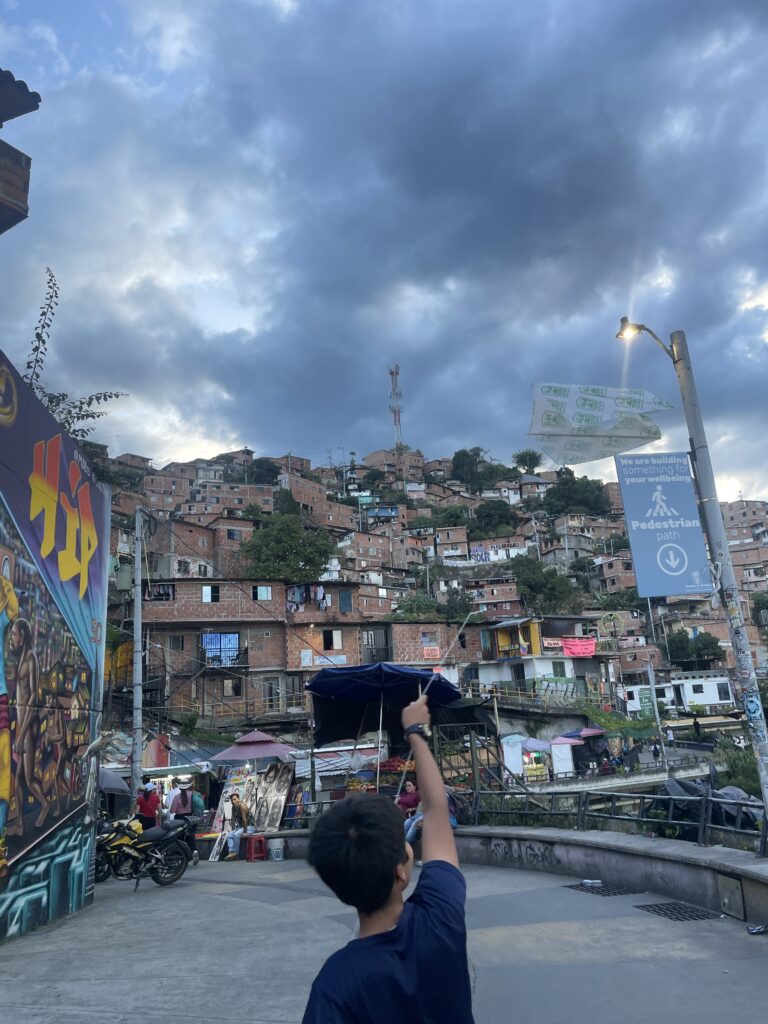
No list of things to do in Medellín would be complete without mentioning a tour of the iconic Comuna 13, arguably the most famous single attraction in the city.
Is it crowded? Yes. Is it overstimulating? Also yes. Has the charm of what Comuna 13 used to be faded under the weight of tourism? I think so. Is it still worth visiting? 100%.
A Comuna 13 tour gives you a glimpse into Medellín’s music, art, fashion and dance scene, and it’s shaped how the world sees Colombian culture more broadly.
The History Behind Comuna 13
More importantly, a good tour lets you hear directly from people who lived through the neighbourhood’s darkest years, when it was considered one of the most dangerous barrios in one of the most dangerous cities in the world. Much of that violence stemmed from guerrilla, paramilitary and drug-cartel conflict through the 1980s and 90s, culminating in Operation Orión in 2002: a large-scale military intervention that ended armed guerrilla control of the area but brought its own devastating cost in the years that followed. Understanding that history makes it moving to see how far the community has come since, through creativity, education and sustained local investment.
Choosing a Responsible, Local-Led Tour
It’s important to book a Comuna 13 tour with a local guide, ideally one who grew up in or still lives in the neighbourhood. That way, your money goes directly back into the community whose story you’re being told.
5. Santa Elena Flower Farm Tour
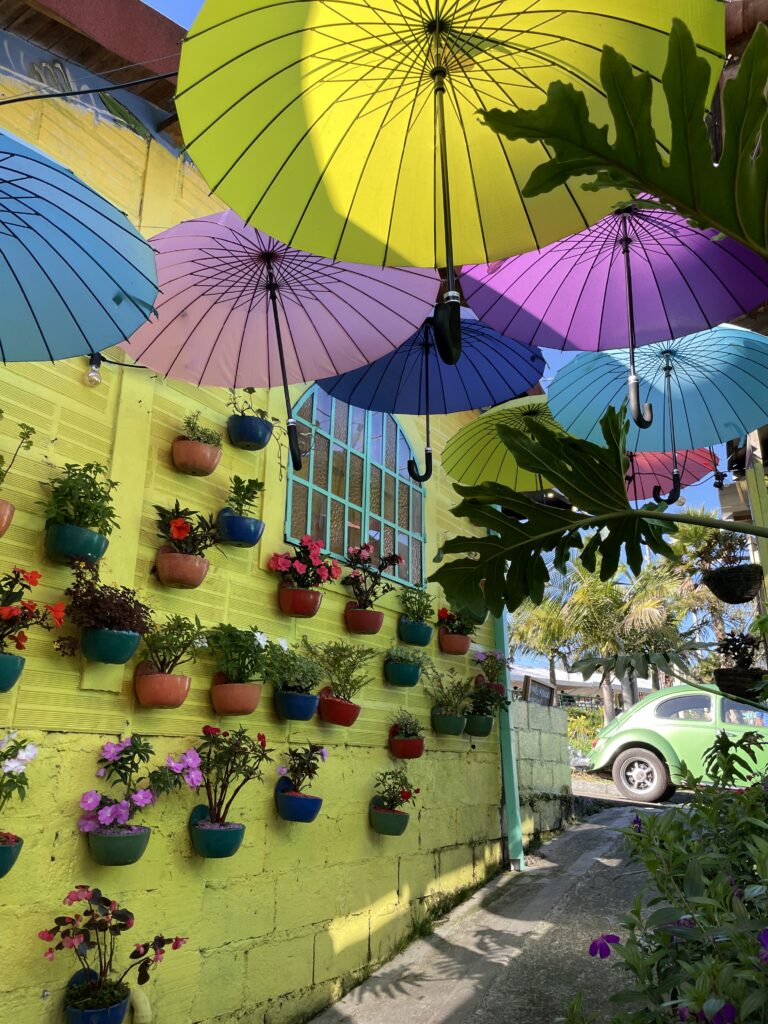
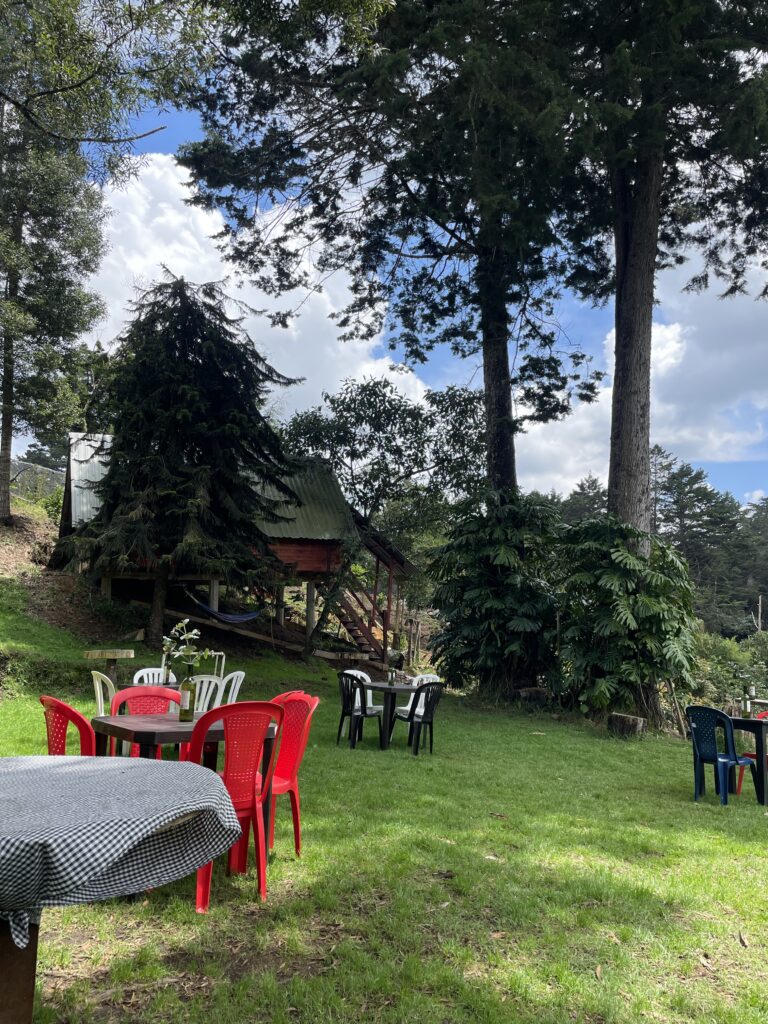
Flowers are one of Colombia’s biggest exports, and Colombia supplies the majority of flowers sold in the US. It’s a genuinely staggering industry. Most of the flower farms sit close to Medellín in an area called Santa Elena, chosen for its ideal climate, altitude and rainfall for growing flowers. Santa Elena is also worth visiting as its own day trip on top of the flower farm tour.
This tour is all about beauty, tradition and tranquillity, a nice change of pace from the busy city. Expect great photo opportunities, a slower rhythm, and a proper look into the floral traditions behind Medellín’s biggest annual celebration, the Feria de las Flores each August. If your timing is right, you may even see some of the elaborate parade floats being built entirely from flowers.
6. Charco del Amor, Cocorná: A Hidden Waterfall Day Trip
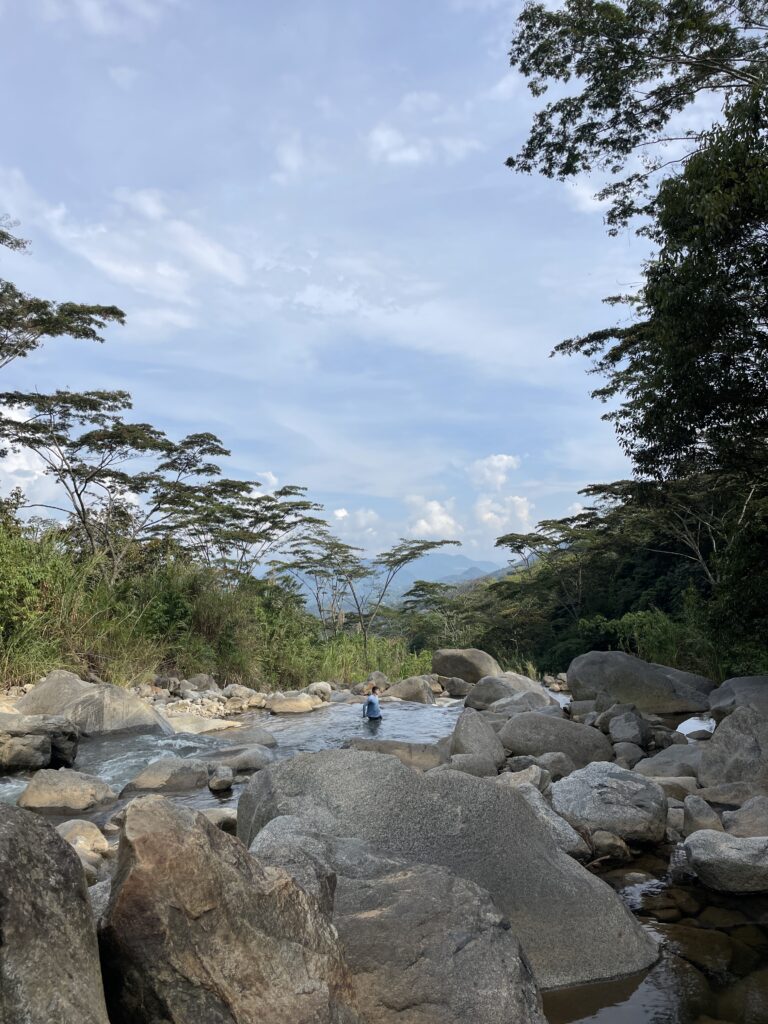
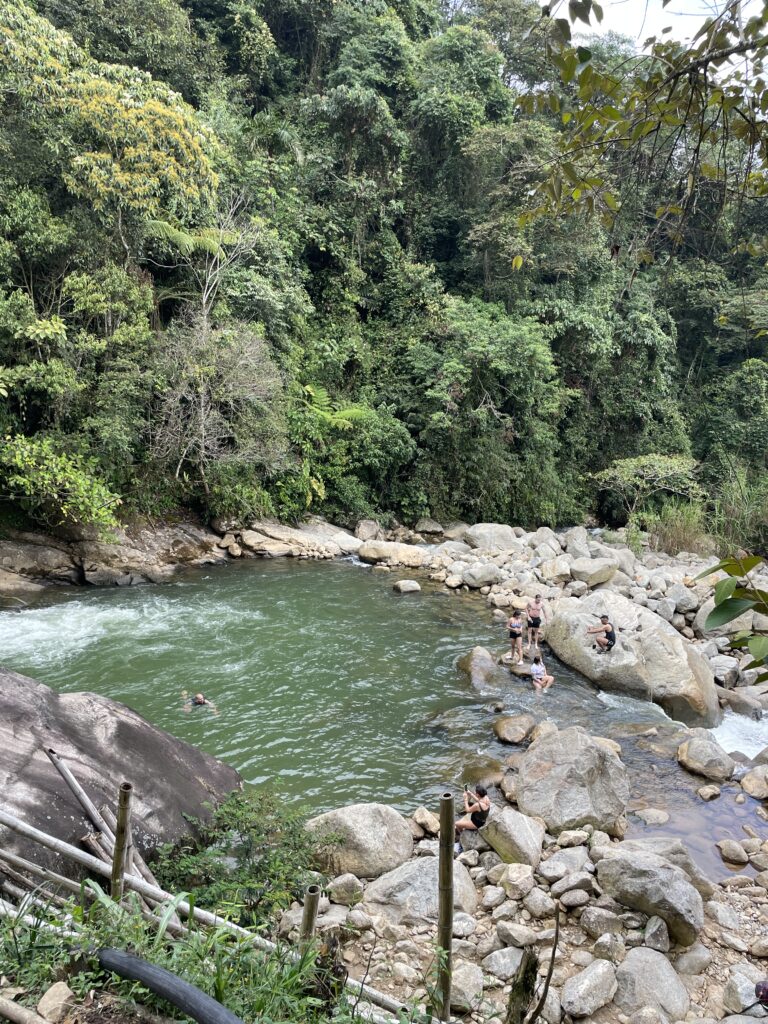
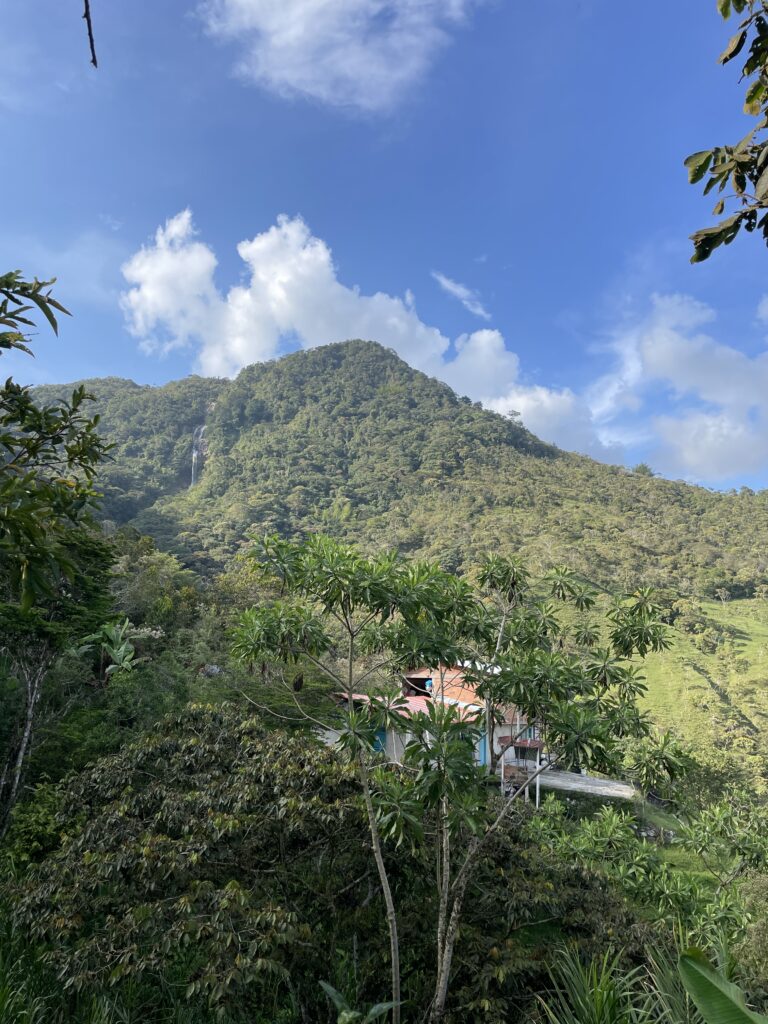
Let me introduce you to an absolute hidden gem in Antioquia, only around a two-hour bus ride from Medellín: Charco del Amor, on the Río Melcocho near the town of Cocorná.
Note: there’s a similarly named Cascada del Amor near Jardín, a different town entirely. This one is in Cocorná, so make sure you’re searching for the right spot.
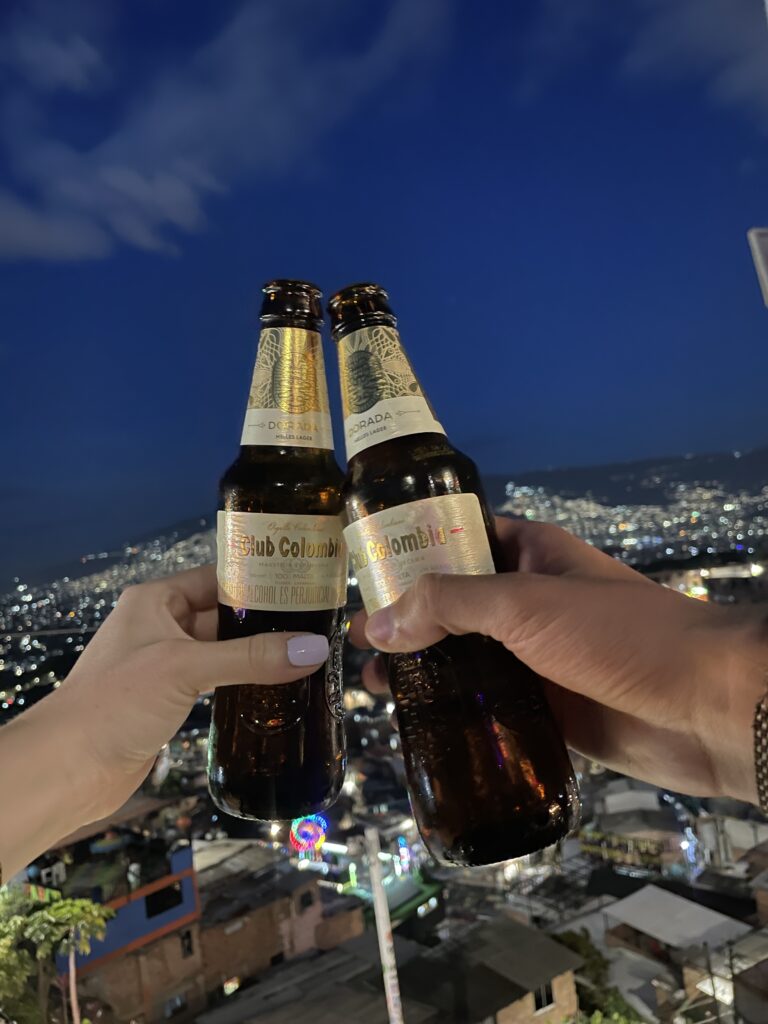
Cocorná itself is a classic Colombian pueblo with all the identifiable traits: a town square, local menu del día restaurants, bars with tiny outdoor tables and men drinking Águila or Club Colombia, cowboys, and kids on motorbikes.
But Cocorná has a secret. Take a 45-60 minute hike from the town, up a hill and into the mountains, grab a fresh mango from a farmer along the way, and pay a small entry fee (a couple of thousand pesos, about 50p), and you can access a privately owned freshwater pool with a huge waterfall and a zipline. It was incredible. Hang out on the rocks, pack a book, a speaker, food, a towel and a beer, and you’re set for the day.
How to Get to Charco del Amor
Compared to everything else on this list, it’s the hardest to reach, and I haven’t come across any organised tours that go there, but it’s absolutely worth doing self-guided. Buses to Cocorná run from Medellín’s Terminal del Norte, taking around two hours.
There were never more than ten people there at once on any of my visits, which makes it feel like a genuine hidden gem tucked away in the mountains. A dip in the natural pool is exactly what you need after hiking under the Colombian sun, and it makes the perfect day trip for a couple or a small group.
7. Medellín City Centre Walking Tour
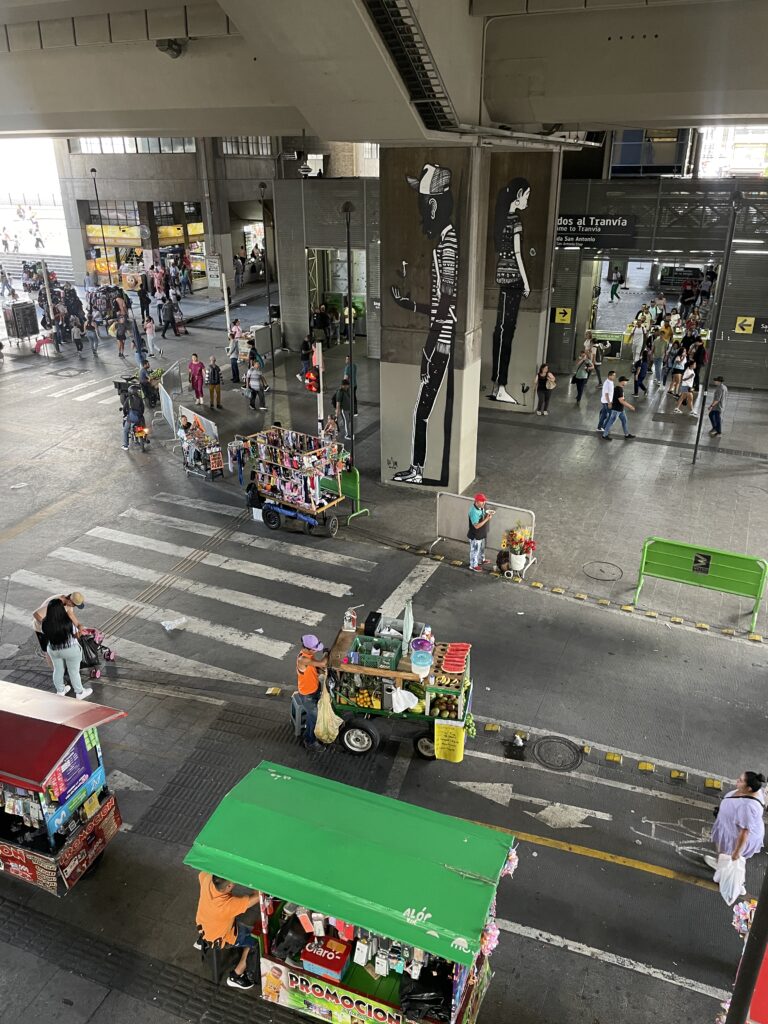
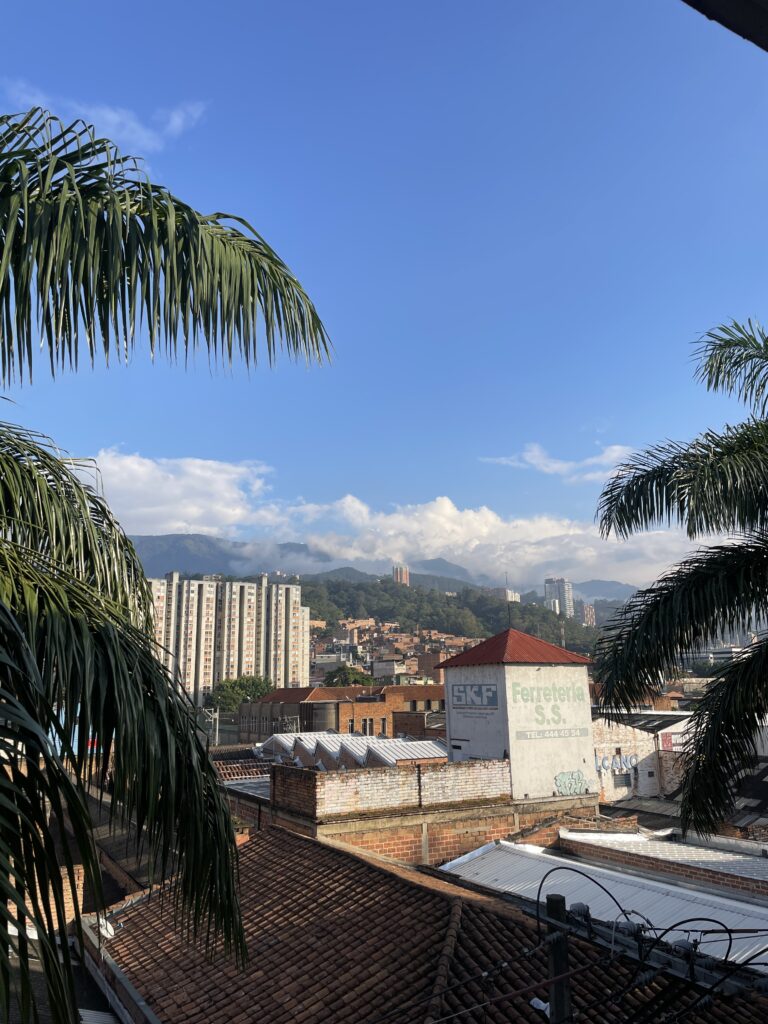
Finally, no trip to Medellín is complete without a walking tour of the city centre. This is my favourite way to get to know a new city, especially when I don’t know much about its history going in, which was exactly my situation when I first arrived in Colombia in 2024.
A good city centre walking tour takes you through Medellín’s most iconic areas: commercial districts, the city’s impressive modern metro system, historic government buildings, churches and statues, all while you try different street snacks and drinks along the way. I particularly loved hearing about the stories and inspiration behind the various Botero sculptures dotted around the city centre.
It’s also a great way to orient yourself in a new city, and the guides are always knowledgeable and happy to help with logistical questions. My guide even helped me figure out the best bank to use with international cards while I was there (hint: Davivienda).
Just remember to tip generously. These tours often run on a “pay what you feel” basis or for a very low fixed cost, and they only stay that way if guides are tipped well.
If you’re wanting to visit Medellín in a self guided capacity, you can check out my guide on How To Use The Metro System here.
Practical Tips for Planning Your Medellin Day Trips
A couple of things I wish I’d known before doing my first few day trips from Medellin:
- Know your terminal. Medellín has two main bus terminals, Terminal del Norte and Terminal del Sur. Guatapé and Cocorná both depart from Terminal del Norte, reachable via the metro’s Blue Line (Line A) to Caribe station. Always double-check which terminal your destination uses before you head out.
- Carry small pesos. Entry fees for spots like Charco del Amor, tuk-tuks, and tips for guides are often cash-only and in small denominations.
- Tip your guides. Many walking tours and Comuna 13 tours run on a low fixed cost or “tip what you can” basis. That model only works if visitors tip properly. A little for you means a lot for them.
- Book Guatapé tickets in advance on weekends and holidays. It’s the busiest day trip on this list, and buses and tours fill up fast.
- Self-guided isn’t always slower. El Retiro and Charco del Amor are both easy to do without a tour, and you’ll save money doing them independently.
What is the most popular day trip from Medellín?
Guatapé is by far the most popular, thanks to its colourful streets and the climb up El Peñol rock overlooking the reservoir.
How many days should I set aside for day trips from Medellín?
If you want to do more than one or two trips, plan for at least 5-7 days in Medellín so you’re not rushing. Guatapé and El Retiro are both also worth an overnight stay if your schedule allows.
Is Comuna 13 safe to visit?
Yes, the tourist areas of Comuna 13 are considered safe and are visited by large numbers of travellers every day. Stick to well-trodden routes, go with a guide, and use common sense with valuables in crowds.
Do I need to book a tour, or can I visit these places self-guided?
El Retiro and Charco del Amor in Cocorná are both easy to do self-guided by public bus. Guatapé can also be done independently. Comuna 13 and the coffee tour are best done with a guide, both for context and to support the local community.
What’s the best time of year to visit Medellín for day trips?
Dry season (December to March, and July to August) is best for hiking and outdoor day trips. To combine your trip with the Feria de las Flores, aim for the very end of July into early August.
How do I get to Guatapé, Cocorná, or El Retiro without booking a tour?
Buses to Guatapé and Cocorná leave from Medellín’s Terminal del Norte, roughly a two-hour ride to either. El Retiro departs from Medellín’s bus terminals as well; confirm which one when you buy your ticket.
Final Thoughts
Between the mountains, the pueblos, and everything happening in the city itself, you could build an entire trip around Medellín day trips alone and still not run out of things to do.
My advice: pick two or three from this list based on the kind of experience you’re after, and don’t feel like you need to rush through all of them in one visit. Some of my favourite memories from my year in Antioquia came from the quieter, self-guided trips on this list, not just the ones everyone talks about.
For more information or Colombia city guides like these, explore some more of my blogs, like The Best Things to Do In Cartagena
Leave a Reply