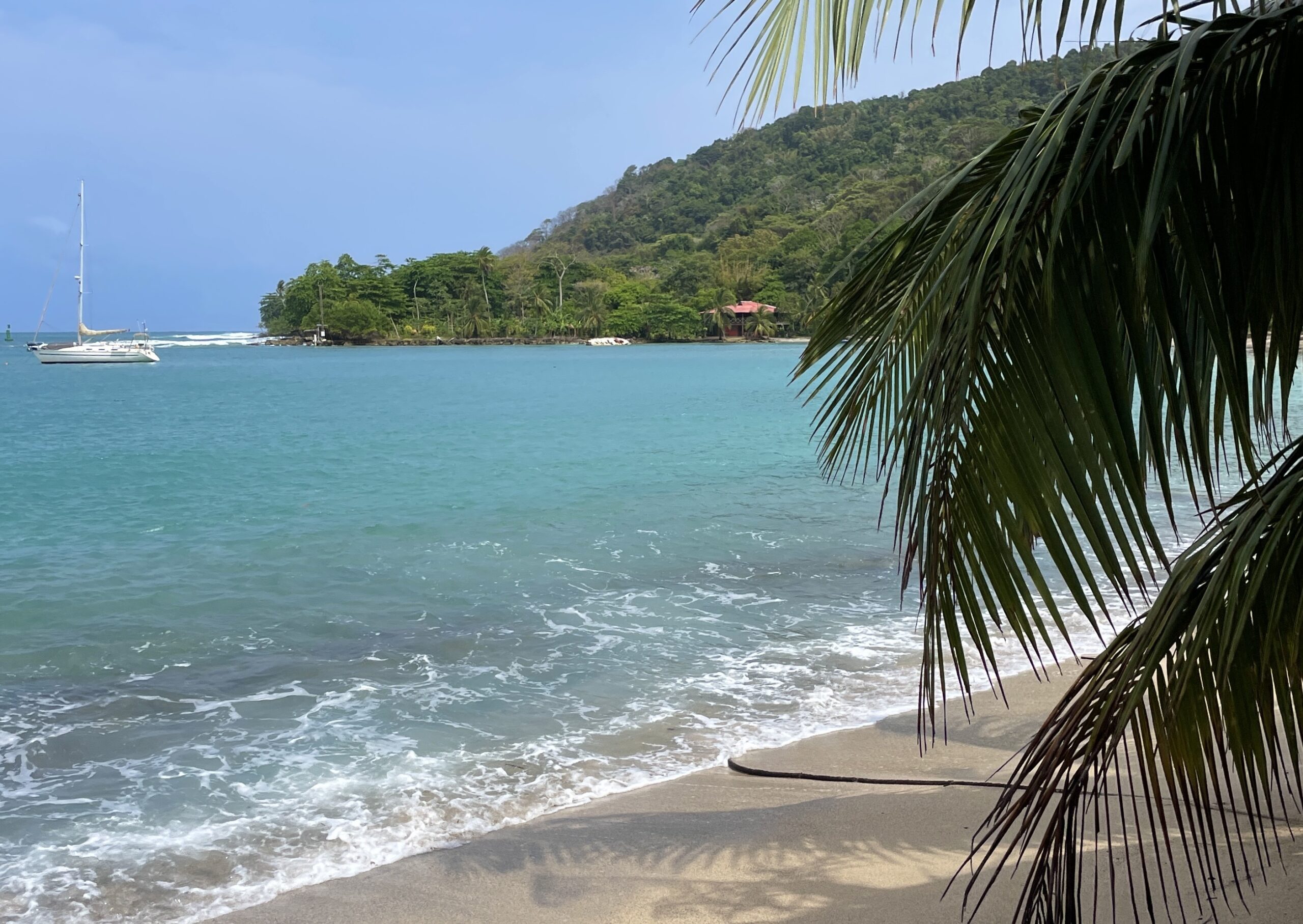
Colombia has seen a huge rise in tourism over the last decade. From a country previously associated with internal conflict, narco-trafficking and prominent controversial figures (I won’t mention his name out of respect to any Colombians reading), the country has undergone a remarkable shift in global perception and is now one of the most visited destinations in Latin America. And rightly so!!
Colombia is one of the most geographically and culturally diverse countries in the world. From the innovative modern cities of Medellín, to the Caribbean coastline, the Amazon rainforest, and the Andes high plains stretching towards Ecuador, the country offers landscapes and experiences for travellers of all kinds. It even has snow-capped mountains (yes, snow in Colombia!) in the Sierra Nevada.
As the world is slowly opening their eyes to Colombia’s tourism potential, travel agencies, bloggers, and influencers continue to spotlight the same destinations. And yes, they are absolutely worth visiting. The Cocora Valley is breathtaking, Tayrona National Park provides that picture-perfect Caribbean paradise, and Medellín’s nightlife is famous for its music, energy, and warmth.
But beyond the well-known highlights, there’s a whole country full of beauty and adventure just waiting to be appreciated, and travellers never see them!
How Safe Is Colombia To Travel In These Areas?
Sadly, even in 2026, the words “Colombia” and “safety” are often one of the top concerns for tourists. While the country has made enormous progress, it sadly still has its issues with security and crime. I say this not to scare you, but to emphasise the importance of common sense and to do your due diligence about the realities of travelling through this region. As a solo female traveller who spent a year travelling through Colombia, I want to be honest about that reality.
Something I noticed during my time in Colombia was that the destinations I highlight below were actually some of the places where I felt safest. The slower pace, smaller communities, and lower levels of tourism often created a much calmer atmosphere than the major cities full of gringos and opportunistic thieves.
Overall, in my experience, yes Colombia is absolutely safe to travel. In fact, I highly suggest you do travel to these locations, especially if you want to experience a different side of Colombia beyond the usual tourist trail. They are SO worth it.
For me, these are the real “hidden gems” of the country which deserve more attention. They are authentic, welcoming, safe, and of course, beautiful. Without further ado, here is my list of the most unique places to visit in Colombia in 2026.
My Top Places to Travel in Colombia in 2026
1. Tatacoa Desert, Huila
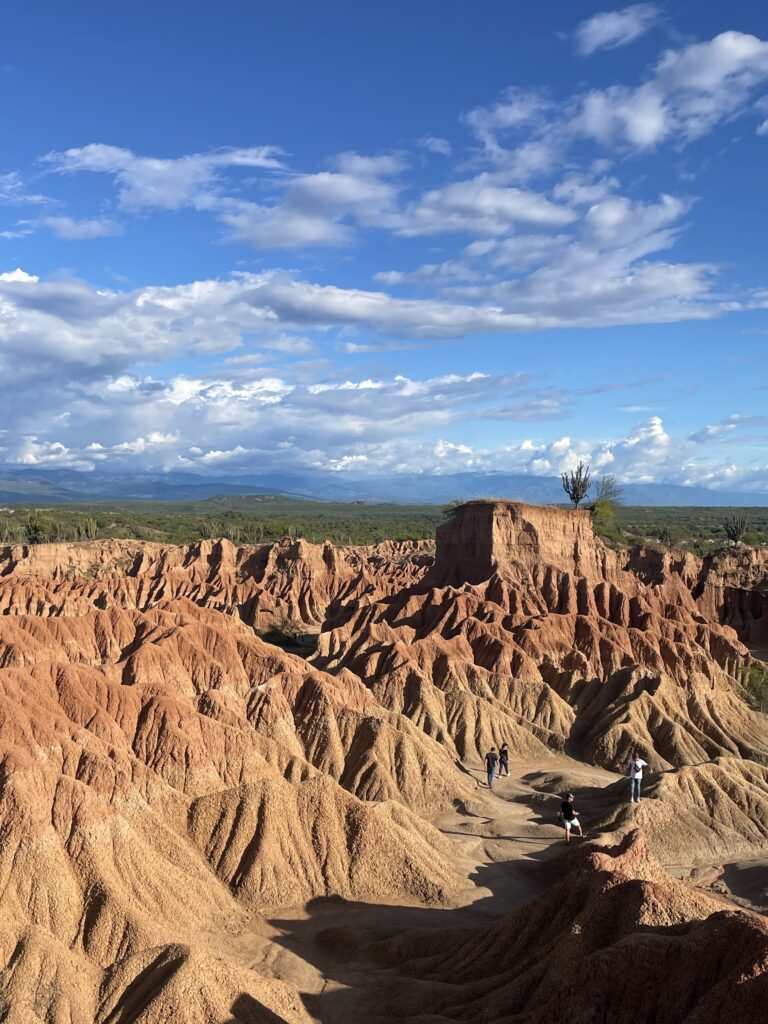
Arguably the best-known destination on this list, the Tatacoa Desert is technically not a desert at all, but a tropical dry forest in Colombia’s Huila department.
The landscape is unbelievably unique- towering red and grey rock formations shaped over millions of years, alongside some of the clearest night skies in the country. The region’s unusual geography was formed as the Eastern and Central Andes shifted upwards over time, moisture upwards and blocked it from reaching the submerged valley below. This created the severe “aridification” conditions that preserved the striking mineral-rich formations visible today.
The area is also world-famous for stargazing, with observatories offering views of planets and constellations far from city light pollution.
You can explore Tatacoa self-guided, but I highly recommend hiring a local guide. The landscape can feel surprisingly disorienting, and guides add invaluable, deep lived knowledge about the geology, wildlife, and history of the region. Our guide had lived in the area his whole life, and could guide us through the labyrinth blind folded.
Getting to La Tatacoa requires a little more planning than other areas of the country, which is partly why it still feels less developed than destinations like Salento or Palomino. Most travellers pass through the town of Villavieja via the river crossing from Aipe before taking a tuk-tuk or moto taxi into the desert itself. If camping or glamping isn’t your style, Villavieja is the best place to base yourself in a hotel or local bnb.
2. San Agustín, Huila
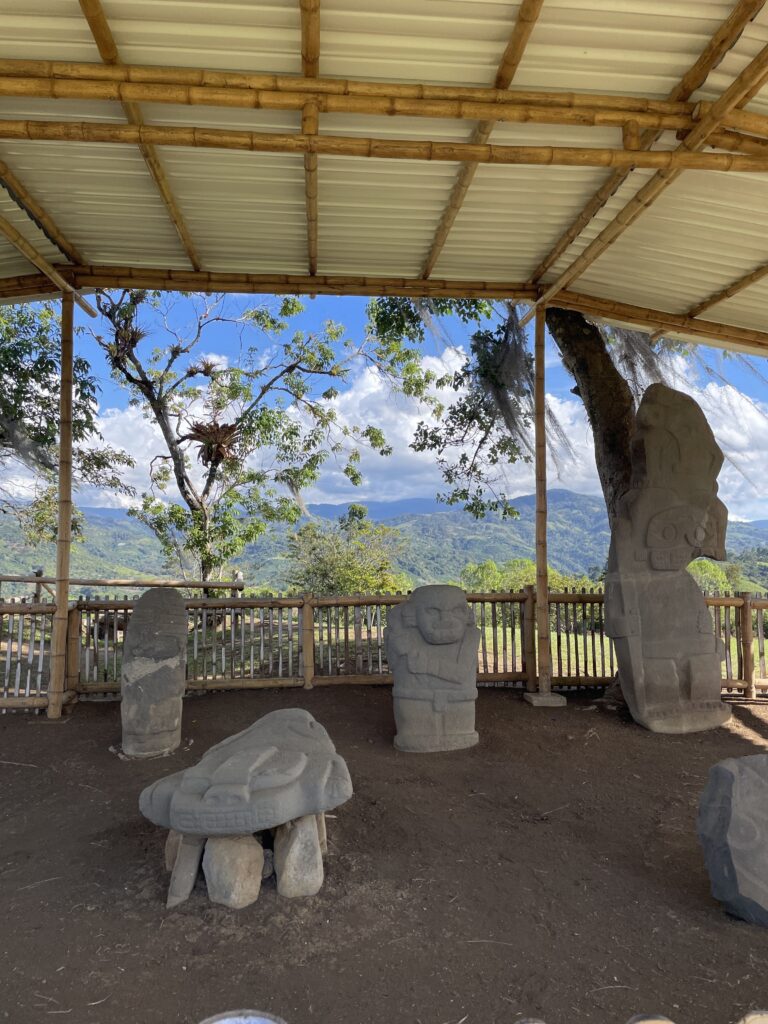
San Agustín is a remarkable little town in southern Colombia, known as the country’s archaeological heart due to the quantity of pre-Columbian remains excavated and preserved in the area.
San Agustín Archaeological Park is the perfect peaceful day trip ticket, home to mysterious pre-Columbian stone statues, ceremonial sites, and burial grounds dating back centuries. The park also includes a museum displaying ceramics, pottery, and jewellery discovered in the region.
Beyond the archaeological sites, San Agustín itself is full of character. The town is painted with indigenous-inspired art, murals, and handmade jewellery and artisan workshops can be found on every corner. This makes it a great destination for travellers interested in history artisan crafts, and looking to take home a beautiful handmade gift.
Despite its mountain setting, San Agustín can be surprisingly hot during the day, so it’s worth slowing down and taking breaks in the town’s cafés over fresh juice or excellent local coffee. Food is another highlight here. One regional speciality worth trying is Asado Huilense: pork marinated for hours in beer, citrus, garlic, herbs, and spices before being slow-cooked over an open flame.
3. Capurganá, Chocó
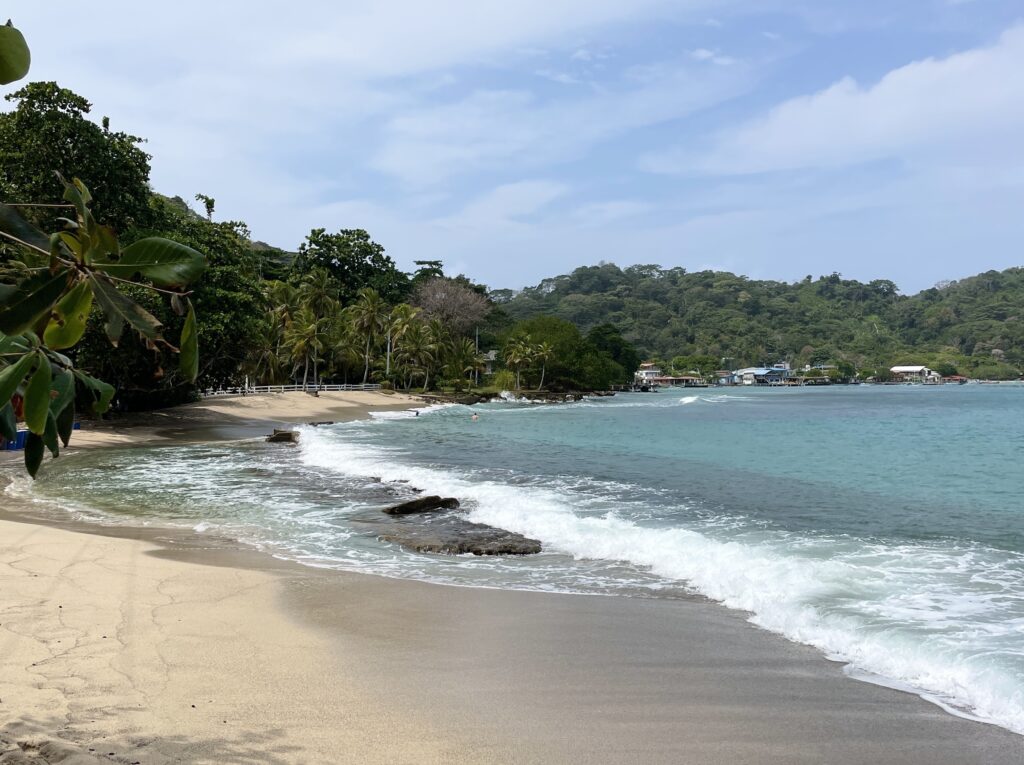
Capurganá is an absolute gem of a coastal village. It’s one of the most remote and beautiful areas of Colombia (in my opinion), located right on the border of Panama, on the edge of the Darién region.
Getting there is part of the adventure. Most travellers arrive by boat from Necoclí, crossing a stretch of water where the Caribbean Sea meets the Atrato River delta; a route that highlights just how geographically isolated this part of Colombia is.
Although Capurganá sits on Colombia’s Caribbean coast, it belongs to the Chocó department, giving it a noticeably different atmosphere from other Caribbean destinations in the country. The culture is more closely linked to the people of Chocó along the Pacific Coast.
The surrounding landscape feels wild and untouched due to proximity to the Darién, with dense jungle, bright blue water, and secluded beaches. One of the most unique experiences here is hiking across the border into Playa La Miel in Panama. The beach is stunning and surprisingly easy to reach on foot from Capurganá. If you do the hike, make sure to return before 5pm, as the trail is not recommended at night.
Capurganá is ideal for travellers looking to disconnect. There are no cars in town, and people get around by foot, bicycle, or moto. Accommodation ranges from simple guesthouses, to incredible eco-lodges further out in the jungle. I’d recommend spending at least a few nights here to give sufficient time to explore the beaches, nearby villages, but also unwind and unplug.
If you’re interested in visiting Capurganá, one location made the list on my 10 best beach hostels in Colombia – check it out here
4. Popayán, Cauca
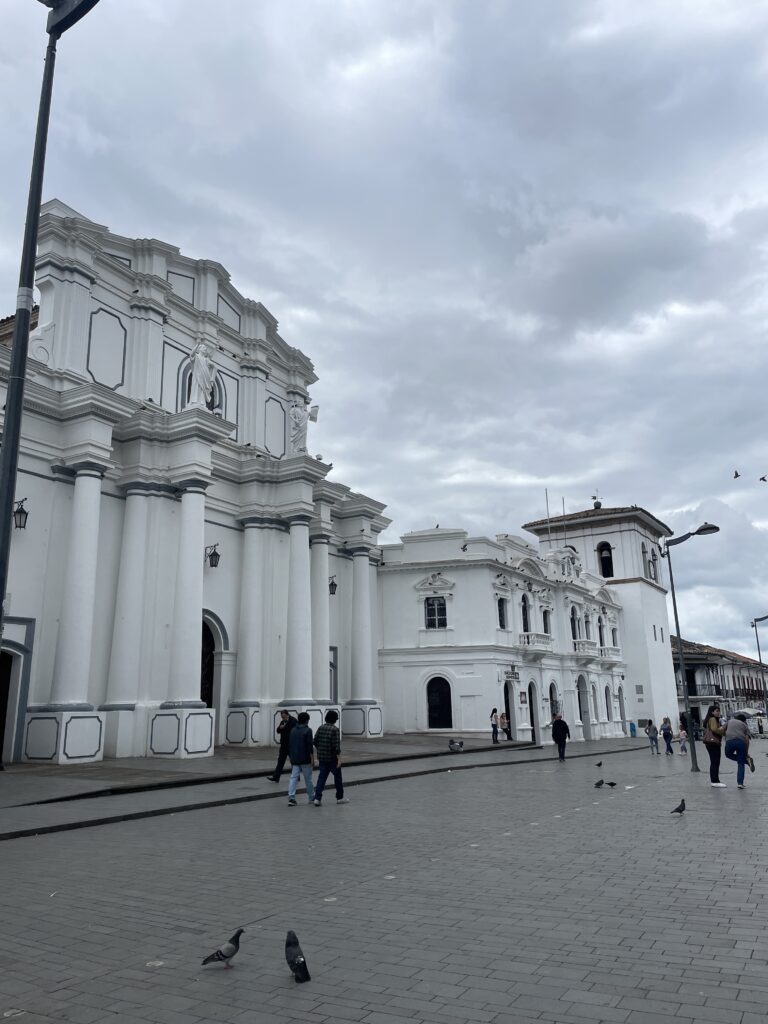
Known as “La Ciudad Blanca”, the White City, Popayán stands out for its elegant white colonial architecture and beautifully preserved historic centre. After travelling through so many brightly coloured Colombian towns, Popayán felt visually calm and refined in a completely different way. In my opinion, it’s one of the country’s most underrated cities.
The central plaza is one of the most beautiful I saw anywhere in Colombia, and the city boasts an excellent café culture thanks to the quality coffee grown in the surrounding Cauca region. Popayán feels relaxed, safe, and highly “liveable”: there’s enough restaurants and bars to stay lively without feeling overwhelming.
It’s also Colombia’s first UNESCO City of Gastronomy, shaped by Indigenous, Spanish, and African culinary influences. One local speciality to try is empanadas de pipián: empanadas fried the classic Colombian way, filled with spiced potato and peanuts, traditionally served with peanut sauce. Delicious!
Because of its southern location and higher elevation, Popayán tends to have cooler evenings and more overcast weather than other destinations on this list, but this just adds to the character of the city.
5. Villa de Leyva, Boyacá
Villa de Leyva is one of Colombia’s better-known small towns as it’s famous for its fossils and prehistoric history. There’s a concentrated number of marine and reptile bones and fossils from the Cretaceous period throughout the area. These fossils can even be spotted embedded in some buildings and lining the streets as a building material!
Villa de Leyva is beautifully preserved, with whitewashed colonial buildings, wooden balconies, cobbled streets, and one of the largest town squares in South America. It’s beauty alone makes it another strong contender to add to your Colombia travel list.
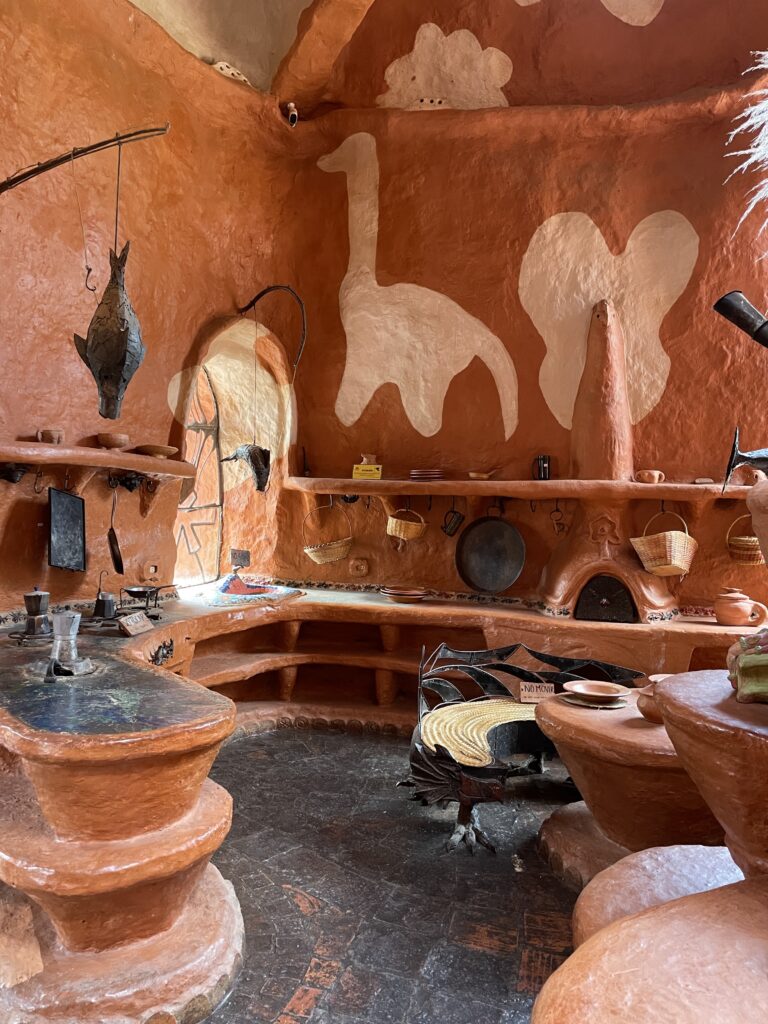
One of the town’s most unusual attractions is Casa Terracota: a giant terracotta house created as a liveable work of art. Organic curves and an earthy red colour from the clay abundant in the area give it an almost Gaudí-like feel. It’s a one-of-a-kind lifesize sculpture, and one of those places that you have to experience in person to appreciate fully.
One of the best ways to explore Villa de Leyva is by renting a bike for the day. The surrounding countryside is beautiful, and there are plenty of cafés and rooftop bars to stop at afterwards overlooking the main square. A well deserved treat after a day of hard work cycling through the fields!
Fortunately, Villa de Leyva is relatively easy to reach from Bogotá or from destinations in Santander like San Gil and Bucaramanga, making it a convenient addition to most Colombia itineraries.
6. El Retiro, Antioquia
Located around two hours from Medellín, El Retiro is a small town known for its furniture-making industry and traditional Antioquian atmosphere. Compared to popular day trips like Guatapé or Jardín, El Retiro receives very few international visitors, which makes it a lot easier to get a feel for the magic of a traditional Colombian town.
Think cowboys arriving on horseback, groups gathering outside bars playing dominoes over bottles of Club Colombia, and daily life slowly unfolding around the town square and church. It’s the perfect people-watching spot, especially enjoyable on weekends, when local markets fill with handmade jewellery, ceramics, textiles, and artisan goods from talented Colombian designers.
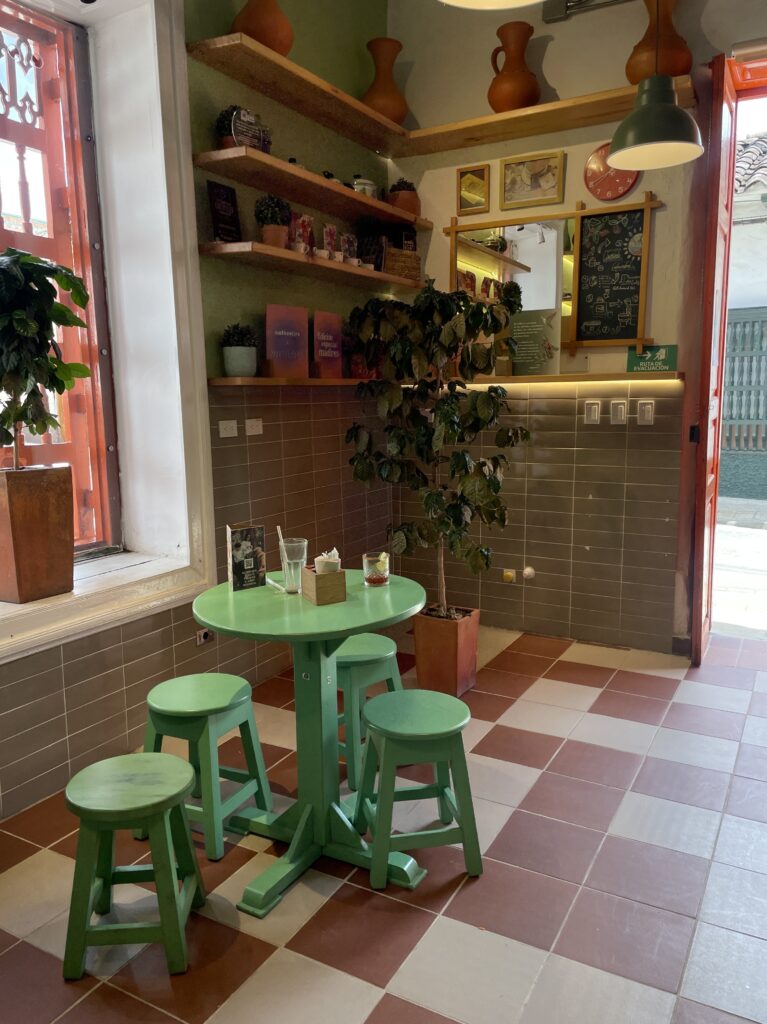
It’s also home to Café El Retiro, one of my favourite cafés in Colombia, where they draw back the curtain on the coffee-making process, giving you a chance to learn while enjoying locally roasted coffee and pastries.
For travellers based in Medellín, El Retiro makes an easily accessible and worthwhile day trip or weekend outside the city.