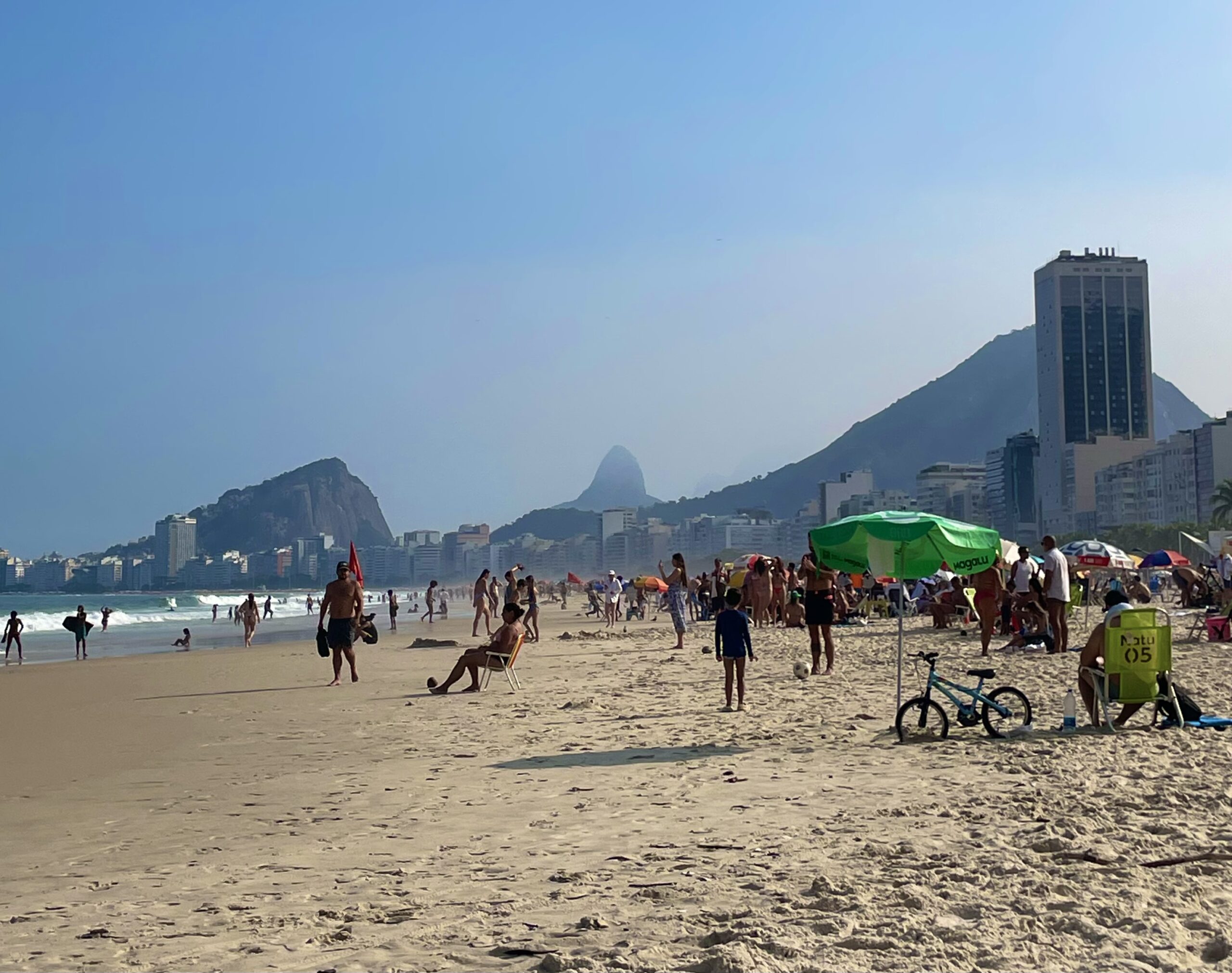
Rio is a city unlike anywhere in the world, but each area offers a completely different experience. There is no shortage of things to do regardless of which neighbourhood you decide to base yourself in, but it’s worth considering what you’re looking for during your time there, as well as what kind of tourist you are as this does play a role in which locations will be right for you.
Things to consider are proximity to the beach, to public transport, tourist vs local pricing, or simply the wrong energy for how you travel. This guide covers every neighbourhood worth considering in Zona Sul and Central Rio de Janeiro: who each area best suits, and an honest steer on where to stay based on your budget, travel style, and priorities. All of it written from someone who has been living here for almost a year.
For first-time visitors, Ipanema and Leblon offer the best combination of safety, beach access and local atmosphere. Copacabana suits those prioritising budget and central location. Botafogo and Flamengo are the best options for travellers who want a more local, less tourist heavy but up-and-coming experience.
Without further ado, here is my complete guide on where to stay in Rio de Janeiro
The Best Neighbourhoods to Stay in Rio de Janeiro: At a Glance
| Neighbourhood | Best For | Vibe | Budget Range | Nearest Beach (by car distance) |
| Ipanema | First timers, couples | Upscale, classic “Rio” feel | Mid to high | Ipanema, 5> min |
| Leblon | Comfort and safety | Affluent, calm | High | Leblon, 5> min |
| Copacabana | Budget travellers | Busy, central | Budget to mid | Copacabana, 5> min |
| Botafogo | Backpackers, locals, young professionals | Cool, up-and-coming | Budget to mid | Botafogo or Flamengo, 15 min |
| Santa Teresa | Culture seekers | Bohemian, artistic | Mid | Flamengo, 20 min |
| Flamengo | Locals or those looking to stay for an extended period | Residential, calm | Budget to mid | Flamengo, 5> min |
| Laranjeiras | Quiet local feel | Peaceful, green | Budget to mid | Flamengo, 20 min |
| Gloria/Catete | Tight budget | Functional, central | Budget | Flamengo, 15 min |
| Lapa/Centro | Nightlife only | Loud, lively | Budget | Flamengo, 20 min |
Zona Sul: Rio’s Tourist Heart
Zona Sul is where the vast majority of tourists base themselves, and for good reason. It covers Rio’s famous beach neighbourhoods, Copacabana, Ipanema, and Leblon, along with Botafogo and Flamengo slightly further inland. The beach is walkable, it’s safe by Rio standards, the transport links are good, and the infrastructure for tourists is well-developed. Each neighbourhood within Zona Sul has a distinct character though, and the differences do and will impact your experience.
To understand more about the best beaches in the city, check out my blog post all about Rio’s best beaches here
Copacabana: Best for Budget Travellers and Central Access
Closest beach: Copacabana beach, a direct, a short walk from almost any accommodation
Safety rating: 7/10. Unpredictable energy given the high volume of commerce and foot traffic. More opportunistic theft here than in Ipanema or Leblon, particularly on the beach strip at night, and sadly a lot of homeless people. Fine with general awareness during the day.
Copacabana is iconic. The beachfront pavement is one of the most recognisable streets in possibly the world, the transport links are the best in Zona Sul, and the hostel and budget hotel options are the most plentiful in Rio. It’s also the most touristy and commercially busy neighbourhood on this list, which works in its favour for convenience, but less for atmosphere.
Copa is also one of the oldest neighbourhoods in Rio, and with that comes a lot of senior folks. For that reason, I don’t find the nightlife here as exciting as some other areas like Botafogo, Centro or even Ipanema.
What to do in Copacabana:
Go to Leme beach at the far end of Copacabana. Known as “rasta beach,” it’s quieter, has a local crowd, and feels noticeably more chilled out than the main Copa strip.
The Copa night market along the beachfront is worth an evening browse for souvenirs, those infamous Brazilian bikinis, and the general Carioca street energy. Grab a caipirinha or ice cold beer from and watch the live music at the beach kiosks, usually for a BR$7-$10 cover (£1.50/$2 USD). Access to affordable or even free live music is one of the brilliant things about Rio.
Ipanema has the better swimming beach, but Copa’s kiosks always have something going on, day or night.
On Sundays, the main beachfront avenue, Avenida Atlantica, closes to traffic and fills with cyclists, skaters, and joggers. Rent one of the bright orange bikes you can find all over the city, called Bike Itau, directly through the Uber app via QR code. It’s one of the easiest and most enjoyable things you can do in the city for almost nothing.
If you’re interested in buying bikinis, beach towels, or more souvenirs, Santa Clara 33 is a twelve-storey bikini shop worth a stop- even if you don’t buy anything.
Ipanema: Best for First Timers Who Want the Full Rio Experience
Closest beach: Ipanema beach, direct.
Safety rating: 9/10. One of the safest areas in Rio. Always exercise basic awareness but this is as comfortable as the city gets for tourists.
Ipanema is the right choice for most first-time visitors. It has direct beach access, an upscale but local feel alongside the tourist infrastructure, better safety than Copacabana, and an indescribable atmosphere. Seriously, this is where you can feel the “energy” that everyone talks about after visiting Brazil. The streets behind the beach are full of restaurants, coffee shops, shopping, and the kind of everyday laid back Carioca life that Copacabana’s main strip misses.
What to do in Ipanema:
Ipanema beach is honestly one of the best beaches in the world. It’s one that lives up to the hype. After spending a lot of time here in Rio, I’ve realised that different postos (the numbered beach stations) attract different crowds. Posto 7 at Arpoador pulls families and surfers, 8 and 9 are the main tourist hub, and posto 10 is calmer. I was also told by a local that a stretch of beach between posto 8 and 9 is the “gay area” – but I think that requires more verification!
Spend multiple beach days here and you’ll start to understand the rhythm of it. On the beach itself, watch or join a game of altinha (keepie-uppies with a football) As you can imagine, Brazilians are extremely good, and us tourists are humbled. Similarly, you can find a beach volleyball game at one of the pitches on the beach. Both happen daily, for free, and nearly all Brazilians will let you join in if you ask.
Sunset at Arpoador is an obligatory activity in Ipanema and one of the best free things to do in Rio on a good day. Arpoador is the rocky point at the eastern end of Ipanema beach. The whole city seems to show up on a clear evening. Get there about 30 minutes before sunset to find a good spot, or one hour before if you’re really wanting the perfect photo.
On Sundays and Mondays, the Hippie Market at Praça General Osório sells handmade jewellery, art, clothing and crafts. It’s a more artisanal local market in Zona Sul, but you’ll still find a lot of your usual mass produced souvenirs. Either way, it’s worth an hour of your time.
For food and drinks, Boa Praça and Pura Brasa are both worth visiting: good drinks, good atmosphere, and popular with locals as well as than just tourist crowds.
Lagoa, whilst technically a separate area, is easy to reach from Ipanema and absolutely worth a visit. As the name suggests, it’s an enormous lake in the centre of Zona Sul, with bike and running paths around the perimeter. For me, it’s one of the best running and cycling routes in the city, and the kiosks and bars along the water are a good evening option too.
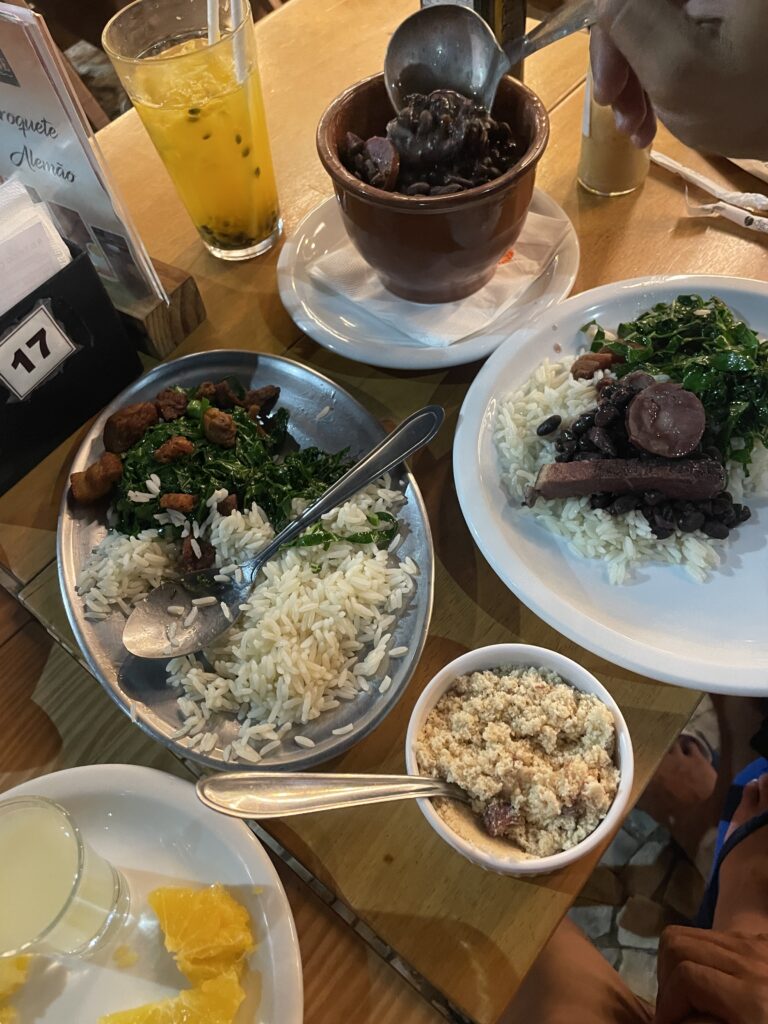
Leblon: Best for Comfort, Safety and the Most Affluent Neighbourhood Feel
Closest beach: Leblon beach, direct.
Safety rating: 9/10. one of the safest neighbourhoods in Rio de Janeiro. The most affluent area in the city, which reflects in the general street feel.
Leblon sits further along than Ipanema, but separated by the canal at Jardim de Alah. It’s quieter, slightly more residential, and noticeably more expensive: the most upscale neighbourhood on this list and actually expensive in regards to accommodation. The beach is calm, the restaurants are some of the best in the city, and the overall feeling is boujie. I also think it’s a little less touristy than the main Copa/Ipanema hub.
What to do in Leblon:
Leblon beach is less crowded than Ipanema and has a more local and upscale crowd. The neighbourhood behind the beach has some of Rio’s best restaurants and bars; this is where Cariocas with money eat and drink. You can spend an evening by walking the streets and eating well. Leblon is far enough out to feel peaceful, but close enough to Ipanema to walk, so you’re not sacrificing access to the rest of Zona Sul by staying here.
The trade-off: less hostel infrastructure if you’re a backpacker, fewer budget options, and different nightlife scene than Ipanema or Botafogo. Leblon is the right choice for those who specifically want comfort and safety above everything else. For backpackers, I would maybe look somewhere else.
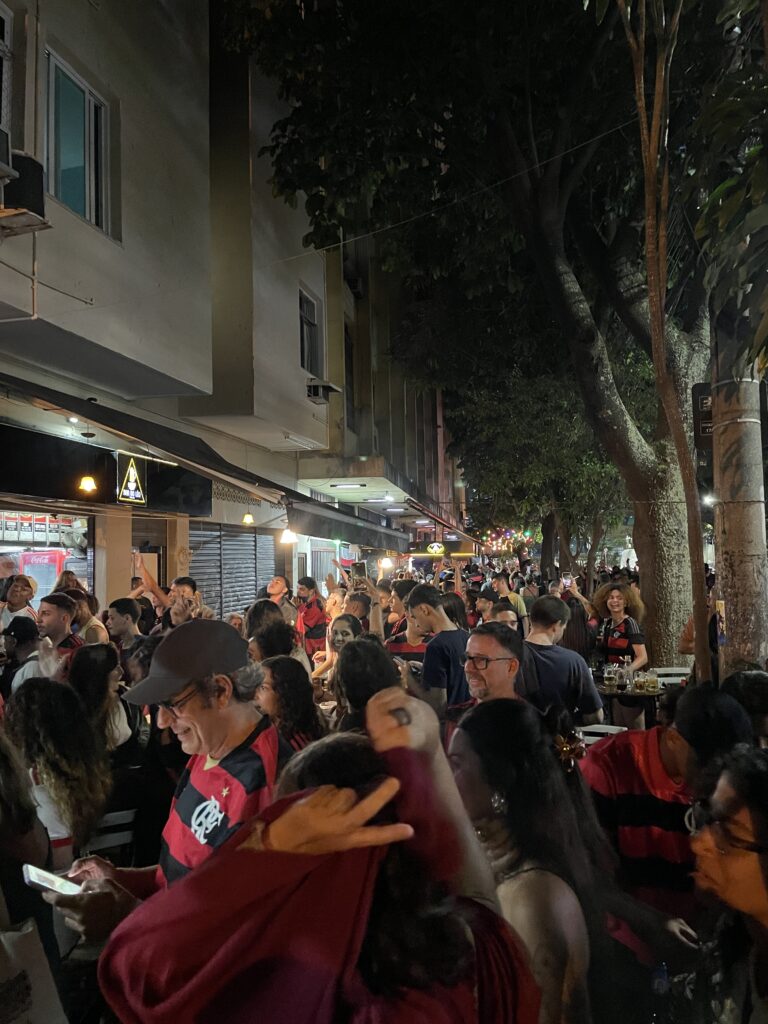
Botafogo: Best for Backpackers, Young Professionals and a Local Experience
Closest beach: Flamengo beach is approximately 10 minutes by Uber, and Copacabana and Ipanema are 15 minutes away.
Safety rating: 7.5/10. A generally safe neighbourhood but the usual awareness applies. Keep to well-lit, populated streets at night.
Botafogo has transformed over the last five years into one of Rio’s most coolest places to be. It’s not a beach neighbourhood, but what it offers instead, a local atmosphere by day/party area by night, an excellent food and coffee scene, strong metro access, and lower prices than Zona Sul, makes it one of the best bases in the city for longer stays or travellers who want something beyond the beach.
What to do in Botafogo:
Rua Arnaldo Quintela is the street to know for bar hopping. It’s where the younger, cooler local crowd gathers in the evening- grungy old buildings turned into bars, a whole area with people spilling onto the pavement, good music, and the kind of energy that major tourist areas can’t replicate. This is a great night out without a taxi to Lapa, and my favourite place to be on a Thursday or Friday night. For all my Londoners, think Hackney.
For daytime, Humaitá, the neighbourhood adjacent to Botafogo, has a cluster of excellent independent coffee shops worth spending a morning in, and many many great restaurants, including Lasai with a Michelin star. Good coffee, and not uncommon to find people hanging out or working from their laptops during the day.
Botafogo also has some of the best transport access in Rio. The metro connects you to the beach, the centre, and the airport for BR$8, payable by contactless card payment. For anyone staying longer than a week, this matters more than it seems on first arrival.
The Neighbourhoods Most Tourists Skip, and Why Some Shouldn’t
The following neighbourhoods on my list receive a fraction of the coverage that Zona Sul gets online, but several of them offer something the beach neighbourhoods don’t: a sense of Rio beyond the tourist circuit. If you’ve been to Rio before, or if you’re staying long enough to want texture beyond the beach, these are worth serious consideration.
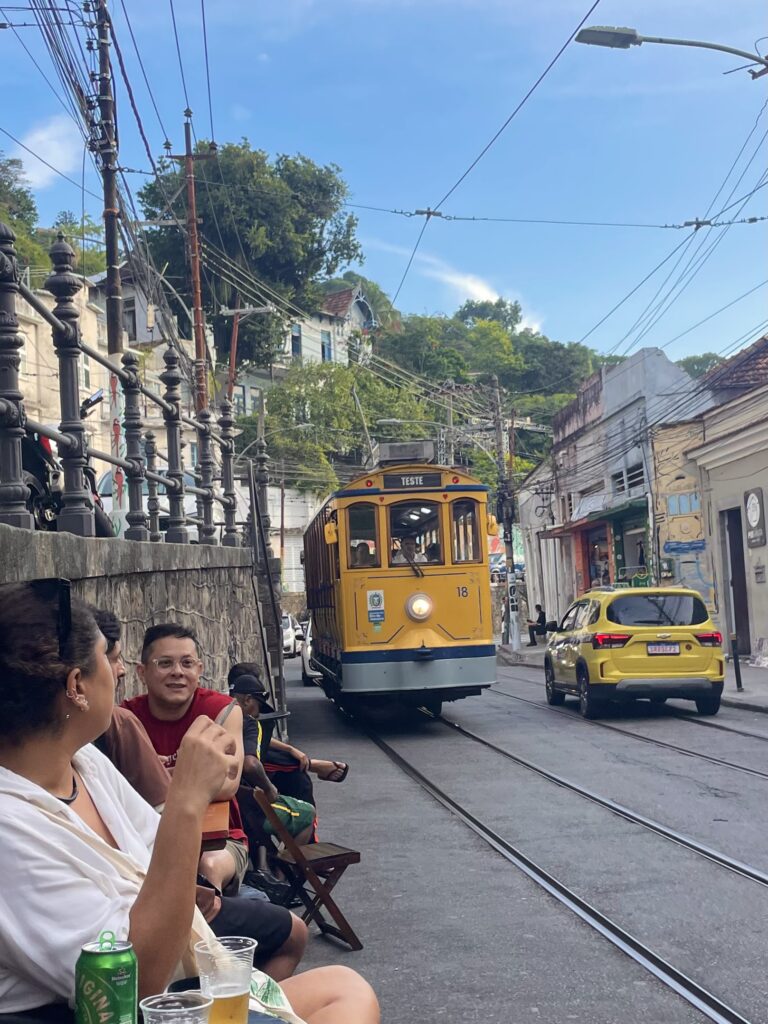
Santa Teresa: Best for Architecture, Street Art and a Bohemian Atmosphere
Closest beach: Flamengo beach, approximately 20 minutes by Uber. Santa Teresa is not a beach neighbourhood.
Safety rating: 6.5/10. Keep to daytime and well-frequented areas. The neighbourhood gets desolate at night on certain streets and the hilly layout means some routes feel sketchy after dark. Use Uber rather than walking unfamiliar streets in the evening.
Santa Teresa sits on a hill above the city centre. It’s a neighbourhood of colonial houses, cobbled streets, street art, and a bohemian creative scene that’s been there long enough to feel authentic rather than manufactured. It looks and feels nothing like the beach neighbourhoods, which is entirely the selling point.
What to do in Santa Teresa:
Ride the bondinho– the historic old tram that runs from the city centre up into the neighbourhood. It’s one of the most characterful things you can do in Rio and doubles as a way to get a feel for the neighbourhood’s geography before exploring on foot. Get your tickets near Carioca metro station, and you can jump off when you get to the top.
Street art is everywhere in Santa Teresa and worth a slow walk to appreciate. The neighbourhood has attracted artists, poets and musicians for decades and the walls show it; murals ranging from political to abstract to hyper-detailed portraiture to graffiti lettering.
Escadaria Selarón is the famous mosaic staircase covered in tiles from over 60 countries, and it sits at the edge of Santa Teresa and Lapa. It’s worth visiting in the morning before the crowds arrive, but be warned, it’s always going to be busy.
For accommodation, Castelo dos Tucanos is a standout hostel option worth looking at even if you don’t stay there. Spend one evening at a bar or restaurant in the neighbourhood; the hillside setting at night, from a literal castle, looking out over the city lights, is one of Rio’s best views.
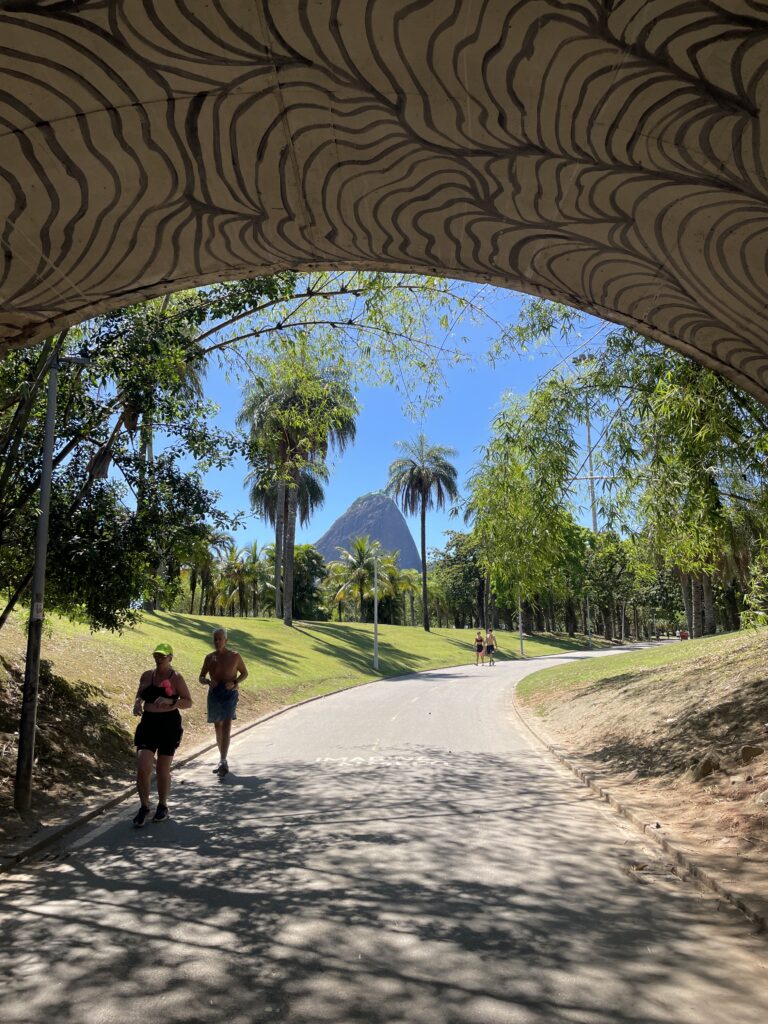
Flamengo: Best for Travellers Who Want Good Transport and Local Life
Closest beach: Flamengo beach, a direct, a short walk.
Safety rating: 8/10. I felt very safe in Flamengo during normal hours and lived there for 3 months. BUT, a note as I will always be honest: I was robbed on Flamengo beach at 11pm near the Glória end. This was entirely a result of being on a beach alone at that hour, though. The neighbourhood itself never felt unsafe during the day or on populated streets at night.
Flamengo sits between the centre and Zona Sul, often bypassed by tourists who go straight to Copacabana. It’s a real shame in my opinion, as Flamengo is a pleasant residential neighbourhood with great transport links, and a neighbourhood rhythm that feels liveable and relaxed.
What to do in Flamengo:
Flamengo Park is one of the most gorgeous parks running along the Guanabara bay, with mountains, including The Sugarloaf Mountain, as a backdrop. I think it provides some of the most spectacular views in the city. Go during the day for walking, cycling, picnic-ing, or simply sitting and watching.
Largo do Machado is the neighbourhood’s central square, lined with bars and restaurants, and busy with locals on weekend evenings. I have no idea why it doesn’t appear in tourist guides. Spend an evening here over a cold beer and you’ll understand why Flamengo residents don’t feel the need to go to Ipanema every night.
A note on Flamengo beach: it’s on Guanabara Bay rather than the open ocean, and the water used to be extremely dirty and unsuitable for swimming. In recent years, the Rio council have made huge efforts to clean up the water and it has now been tested as clean. Some out of date guides may tell you it’s advisable not to swim, but as of June 2026, it receives lots of people who get in the water.
Laranjeiras: Best for a Quiet, Green, Local Neighbourhood
Closest beach: Flamengo beach, approximately 15 minutes by Uber.
Safety rating: 8/10. One of the quieter, more residential areas on this list. Families, professionals, a calm street energy. I feel very safe here.
Laranjeiras is a green, hilly neighbourhood that most tourists never visit. That’s fine, as it’s not a tourist neighbourhood and makes no effort to be one. What it offers is a genuine sense of Rio residential life, good local food, and a pace that’s completely removed from the beach circuit. It’s also home to the popular Fluminense Football Club.
What to do in Laranjeiras:
Mercado São José is worth a visit for fresh produce, local food stalls, and great market energy. It reminds me of a mini version of the Time Out Market in Lisbon, Portugal. Walk the neighbourhood and explore the adorable bookshops, cafes, and local restaurants- this is a neighbourhood built for slow mornings and unhurried afternoons.
Laranjeiras is also one of the best bases for visiting Cristo Redentor, or Christ the Redeemer. It sits above the neighbourhood in Tijuca Forest, and access via van or Uber from Laranjeiras is straightforward. If visiting the statue is a priority, this is a great practical neighbourhood to base yourself in.
Glória and Catete: Best for Tight Budgets with Central Access
Closest beach: Flamengo beach, approximately 15 minutes on foot, or a short Uber ride.
Safety rating: 6.5/10. I’ts edging towards Centro, so keep your wits about you, particularly at night. Fine during the day with standard awareness.
Glória and Catete offer some of the cheapest hotel options within reasonable distance of the centre and Zona Sul. They’re functional rather than atmospheric, a solid choice if budget is the absolute priority and you plan to spend most of your time elsewhere anyway. That being said, if you want a social hostel atmosphere, it’s still worth it to book a shared dorm in Botafogo, Copa or Ipanema.
What to do in Glória and Catete:
The viral Feira da Glória on Sundays is one of the best markets in Rio attracting a huge crowd each week, with a bounty of food and drink, artisanal items, thrifting, fresh fruit and vegetables. Worth a Sunday morning regardless of where you’re staying. Just be prepared for a few queues
The Museum of Modern Art (MAM) sits in the stretch between Glória and Centro, facing the bay. It’s one of the better art museums in Rio and really worth visiting. The building itself, designed by Affonso Reidy, is also architecturally significant, and the nearby area is peaceful during the day. One note is that I would avoid this area at night as it gets very desolate.
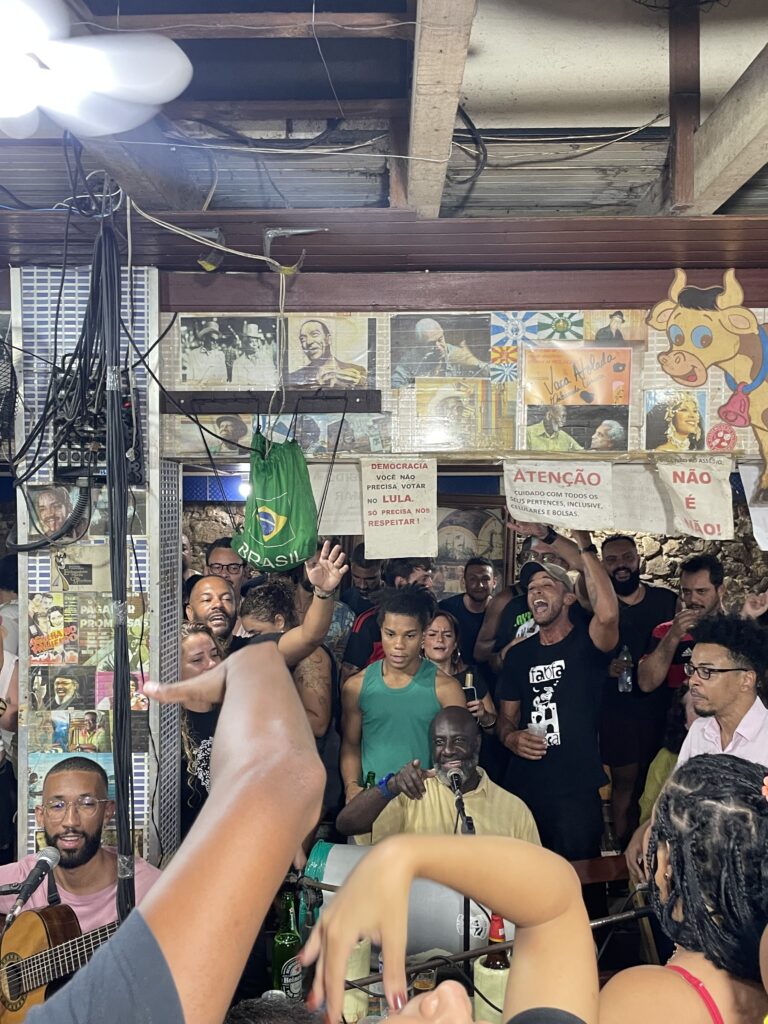
Lapa and Centro: For a Night Out, Live Music, and Those Who Don’t Care About Sleep Quality
Closest beach: Flamengo beach, approximately 20 minutes by Uber.
Safety rating: 5/10. If you keep your head, nothing will happen. But don’t walk quiet streets at night, don’t wander away from the main areas, and don’t test it. It can go wrong pretty fast in Lapa at night on the wrong street.
However, as a base, not recommended. The noise, the late-night street energy, and the safety considerations on quieter surrounding streets make it a poor choice for sleeping. Stay in Botafogo or Flamengo and come to Lapa for the night.
What to do in Lapa and Centro:
For a proper pagode/samba night, go to Beco do Rato, Pagode da Garagem, Vaca Atolada, or Bar da Lapa- all are authentic, local, and brilliant. This is one of the genuinely unmissable cultural experiences in Rio and something most tourists miss entirely by being glued to the beach.
Pedra do Sal is worth visiting on a Friday or Saturday night for live music and cheap caipirinhas in an outdoor setting. Avoid Monday, though: despite what many people suggest, the Monday session is now too crowded and busy to enjoy properly. You’ll leave feeling both immediately overwhelmed later underwhelmed. Friday or Saturday gives you the atmosphere without the chaos.
Rua do Senado was voted as the coolest street in the world, and offers vintage shopping during the day and bars at night. As well, Escadaria Selarón sits on the border of Lapa and Santa Teresa and is best visited in the morning.
On Saturdays, Praça XV hosts a huge thrift and vintage worth browsing, and one of the biggest markets in South America.
The famous Biblioteca Real Gabinete Português de Leitura (the Portuguese Reading Room) is one of the most beautiful interior spaces in Brazil- it’s small, but has free entry and extraordinary architecture.
Where to Stay in Rio de Janeiro: By Traveller Type
First time in Rio: Ipanema for the full experience. Copacabana if budget is tight.
Solo backpacker on a budget: Copacabana for hostel infrastructure. Botafogo for a more local experience at similar prices.
Couple, mid-range budget: Ipanema or Botafogo- good restaurants, walkability, and atmosphere without the Leblon premium.
Digital nomad or long stay: Botafogo or Laranjeiras. Local rhythm, lower long-stay prices, access to co-working spots.
Nightlife focused: Stay in Botafogo or Flamengo. Come to Lapa for the nights out.
Art and colour: Santa Teresa, without question.
Maximum safety and comfort, budget secondary: Leblon.
Visiting Cristo Redentor: Laranjeiras or Santa Teresa both sit close to Tijuca Forest access points.
Practical Tips for Booking Accommodation in Rio
When to Book and How Far in Advance
Peak season runs December to March- Brazilian summer, Carnival and New Years are all happening over this period. Book three months ahead for this period. Carnival specifically sees Zona Sul accommodation prices double or triple- I could barely find anything under £2000 for a month, and I’m not fussy with accommodation. If your budget is fixed, consider Botafogo or Flamengo for significantly better value at that time of year. Shoulder season (April to June and August to November) offers good availability and noticeably better prices with excellent weather.
Getting Between Neighbourhoods
The Rio metro connects Zona Sul to the centre reliably and cheaply. It’s clean, safe, and efficient for daytime travel. Uber is affordable and is the recommended option for night journeys and for reaching Santa Teresa, which has no metro station. Walking between Ipanema, Leblon, and Copacabana is easy and pleasant during the day. Avoid walking unfamiliar routes at night regardless of neighbourhood.
Frequently Asked Questions About Where to Stay in Rio de Janeiro
Where should a first timer stay in Rio de Janeiro?
Ipanema is the best all-round choice for first-time visitors as it has good safety, direct beach access, a great atmosphere, and well-connected by transport. Copacabana is the better option if budget is the priority, with more hostel infrastructure and lower average prices, but still close to the beach.
Is Copacabana or Ipanema better to stay in?
Ipanema has a more upmarket atmosphere and is generally considered safer and more beautiful. Copacabana is better connected, has more budget accommodation, and is slightly more central. The right choice depends on whether atmosphere or affordability is the priority. Out of the two, most people prefer Ipanema.
Is Botafogo a good area to stay in Rio de Janeiro?
Yes, particularly for young professionals and creatives, repeat visitors, and those who want a more local experience. Botafogo has excellent metro access, a strong restaurant and nighlife scene, and slightly lower accommodation prices than Zona Sul beach neighbourhoods, if booked in advance. It is 15 minutes from Copacabana beach by Uber.
Is Santa Teresa Rio de Janeiro worth staying in?
Worth staying in if colonial architecture, street art, and a bohemian atmosphere are what you’re looking for. Not a good fit for those who need beach access or easy transport. Some streets feel isolated at night so use Uber after dark and keep to well-frequented areas.
What is the cheapest area to stay in Rio de Janeiro?
Glória and Catete offer the cheapest accommodation close to the centre, whilst still technically being in Zona Sul. Among beach neighbourhoods, Copacabana has the most budget options in Zona Sul.
Is Lapa safe to stay in Rio de Janeiro?
Technically yes, but not recommended as a base. The neighbourhood is lively during busy nightlife hours but quieter surrounding streets carry higher risk. Stay in Botafogo or Flamengo and visit Lapa for the night: this gives you the experience without the safety trade-off.
And there is my guide to all the neighbourhoods worth knowing in Rio de Janeiro in 2026! Check out some of my other posts on Brazil to help you plan the perfect trip.

Leave a Reply